
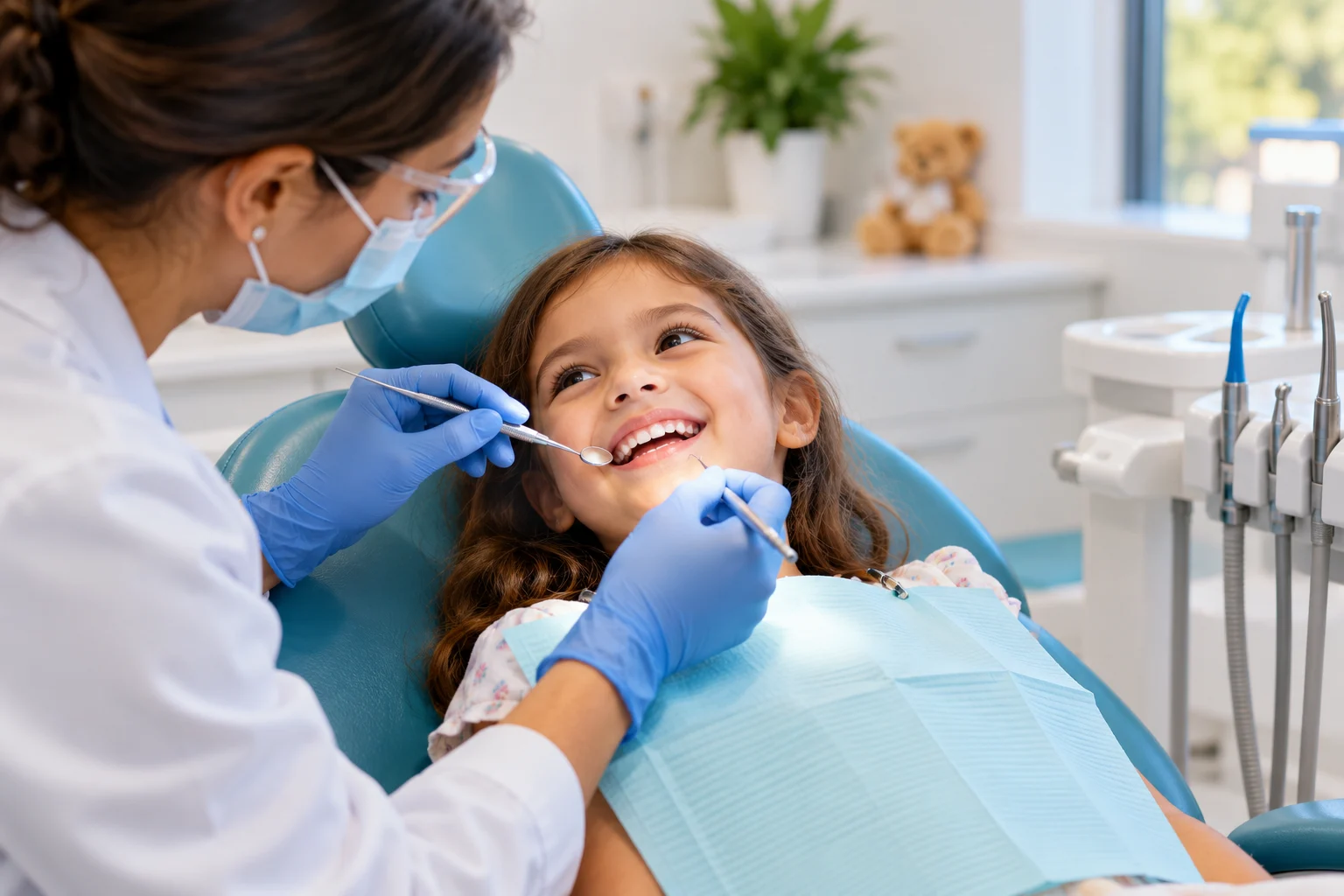
A dental visit should feel calm and reassuring for your child. For many families, though, the thought of drills, loud sounds and numbing shots brings real worry. Pediatric dentistry has moved a long way from that picture. Minimally invasive dentistry for kids is built around protecting natural tooth structure, spotting small changes early and keeping children comfortable in the chair.
It is an approach to care rather than a single treatment. The focus is on prevention, early detection and the most conservative option that works, so small problems are managed before they turn into larger ones. At Polished Pediatric Dentistry in Marlboro, NJ, Dr. Dinah Jammal and our team follow this conservative approach for every child we see.
Below, we explain how minimally invasive care works, which gentle options are used, and what parents can do at home.
How Is Minimally Invasive Dentistry for Kids Different from Traditional Care?
Traditional restorative care removes decayed enamel and replaces it with a filling. That is the right answer for a cavity that has already progressed, but it means removing tooth structure and sometimes using local anesthetic.
Minimally invasive care starts earlier. Baby teeth have thinner enamel than adult teeth, so decay can move quickly once it starts. Our goal is to protect the enamel your child has, slow or stop early damage, and keep any treatment as small as possible. When a tooth does need a restoration, we choose the most conservative option that will last, such as a tooth-colored composite filling.
The core principles include:
- Risk assessment: Looking at diet, brushing habits and past cavity history to understand how likely your child is to develop decay.
- Early detection: Regular exams and X-rays when appropriate, so changes in enamel are caught while they are still small.
- Prevention first: Preventive dentistry such as cleanings and sealants to keep decay from starting.
- Conservative treatment: Using the smallest effective treatment when decay is present, so more of the natural tooth is kept.
Keeping natural enamel helps baby teeth stay stable and comfortable until they fall out on their own. That matters because baby teeth hold space for permanent teeth. If you are wondering whether a small cavity in a baby tooth really needs care, our guide on whether baby teeth need fillings walks through it.
Gentle Options Used in Minimally Invasive Pediatric Dentistry
These are the tools we rely on to keep treatment simple and comfortable for children.
Professional Cleanings and Exams
Plaque that is left on teeth feeds the bacteria that produce acid and wear enamel down. Regular pediatric dental cleanings remove that buildup and give us the chance to check each tooth closely. If you want to know what to expect, see how long a children's cleaning takes.
Dental Sealants
The deep grooves on the chewing surfaces of back teeth trap food and plaque that a toothbrush cannot always reach. Dental sealants are a thin protective coating painted over those grooves. Placing one does not involve drilling or removing tooth structure. Parents often ask how long sealants last, and we check them at routine visits so they can be repaired if needed.
Silver Diamine Fluoride
Silver diamine fluoride (SDF) is a liquid applied directly to a cavity to help stop it from progressing. It is quick, needs no drilling and is especially useful for very young children or kids who find longer treatment difficult. Treated areas can darken, so it is a good idea to talk it through with your dentist before choosing it.
Tooth-Colored Fillings
When decay has gone past what prevention can manage, a composite filling repairs the tooth while removing only the decayed area. You can read more about whether cavity fillings hurt kids and how we keep children comfortable.
Comfort Support for Nervous Children
Comfort is part of conservative care. We use a calm, child-friendly approach, and for children who need extra support we offer nitrous oxide and sedation dentistry with a board-certified pediatric anesthesiologist. For children with sensory or developmental needs, our special needs dental care includes a desensitizing room.
Benefits of Gentle, Tooth-Preserving Care for Children
- Less dental fear: Short, simple visits help children build trust and positive memories. Our tips on helping kids with dental anxiety can help you prepare at home.
- Smaller treatments: Catching problems early often means a smaller repair, or none at all.
- More natural tooth kept: Healthy enamel keeps the tooth stronger against everyday biting forces.
- Healthy spacing: Baby teeth that stay in place until they are ready to fall out help guide permanent teeth into position.
- Shorter appointments: Conservative procedures usually take less time in the chair.
How Parents Can Support Healthy Enamel at Home
What happens at home matters as much as what happens in the office. A few routines make the biggest difference:
- Brush twice a day for two minutes: Use a soft toothbrush and the right amount of toothpaste for your child's age. Our toothpaste amounts by age guide shows how much to use.
- Floss once teeth touch: Child-friendly floss picks make it easier to clean between teeth.
- Choose tooth-friendly foods: Crunchy vegetables and calcium-rich foods support healthy teeth, and tips for picky eaters can help if mealtimes are a struggle.
- Limit sticky snacks and sugary drinks: Frequent sipping and snacking keeps acid-producing bacteria active. See what causes cavities in kids and how to prevent them.
- Keep up regular checkups: Visits every six months let us monitor enamel, clean hard-to-reach areas and spot changes early. Starting young helps too, so infant dentistry visits begin once the first tooth appears.
Schedule Your Child's Visit at Polished Pediatric Dentistry
If you want gentle, compassionate care that protects your child's natural teeth, we would love to meet your family. Dr. Jammal and our team see children from Marlboro, Freehold, Old Bridge, Manalapan and nearby towns, and you can learn more about our team before you come in. To get started, schedule your appointment or contact us with any questions.
Frequently Asked Questions About Minimally Invasive Dentistry for Kids
What is minimally invasive dentistry for kids?
It is a conservative approach to pediatric dental care that puts prevention and early detection first. The aim is to protect as much natural tooth structure as possible and use the smallest effective treatment when a problem does appear.
Does minimally invasive dentistry mean my child will never need a filling?
Not always. Prevention and early care can reduce the chance of larger treatment, but a cavity that has progressed may still need a filling. In that case, we aim to remove only the decayed area and rebuild the tooth with a tooth-colored restoration.
Are dental sealants part of minimally invasive care?
Yes. Sealants protect the deep grooves of back teeth without removing any tooth structure, which makes them one of the most conservative ways to help prevent cavities.
Is silver diamine fluoride safe for children?
SDF is widely used in pediatric dentistry to help manage cavities in children. Your child's dentist can explain whether it is a good fit, and how it may darken the treated area.
When should my child first see a dentist?
We recommend a first visit once the first tooth appears. Our first visit guide explains what to expect, and our post on the first dentist visit for infants in Marlboro has more detail.
How can I help my child feel calm at the dentist?
Keep the tone positive, avoid using words like "pain" or "shot," and let your child know what to expect. We share more ideas on how kids can relax at the dentist.
Do you accept insurance?
You can find details on our insurance information page. For families without coverage, our Polished savings plan offers a monthly membership option.
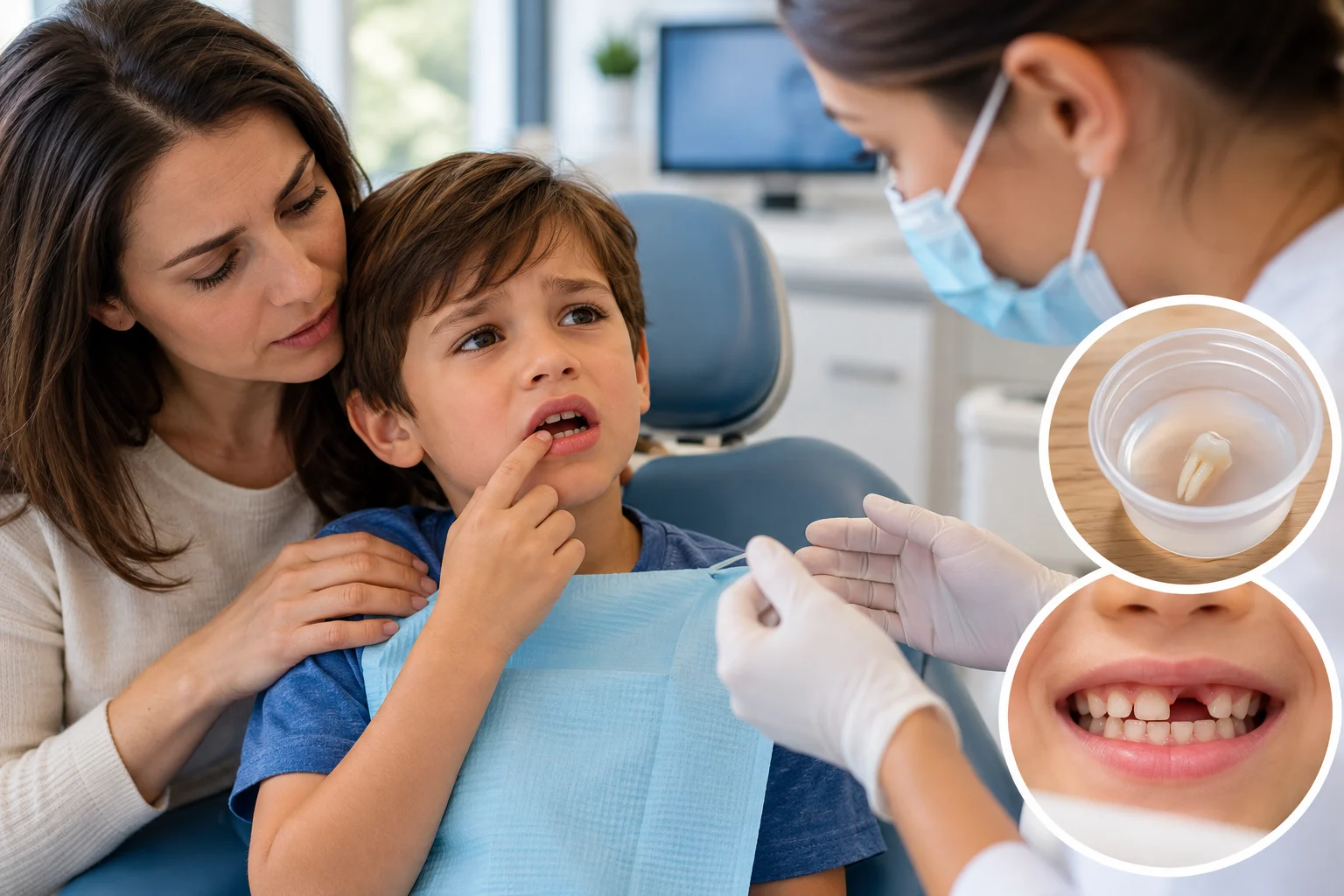
My Child Knocked Out a Tooth: Emergency Steps for Parents
Learn what to do if your child knocked out a tooth. Follow essential first-aid steps for baby teeth and permanent teeth to protect your child's smile.
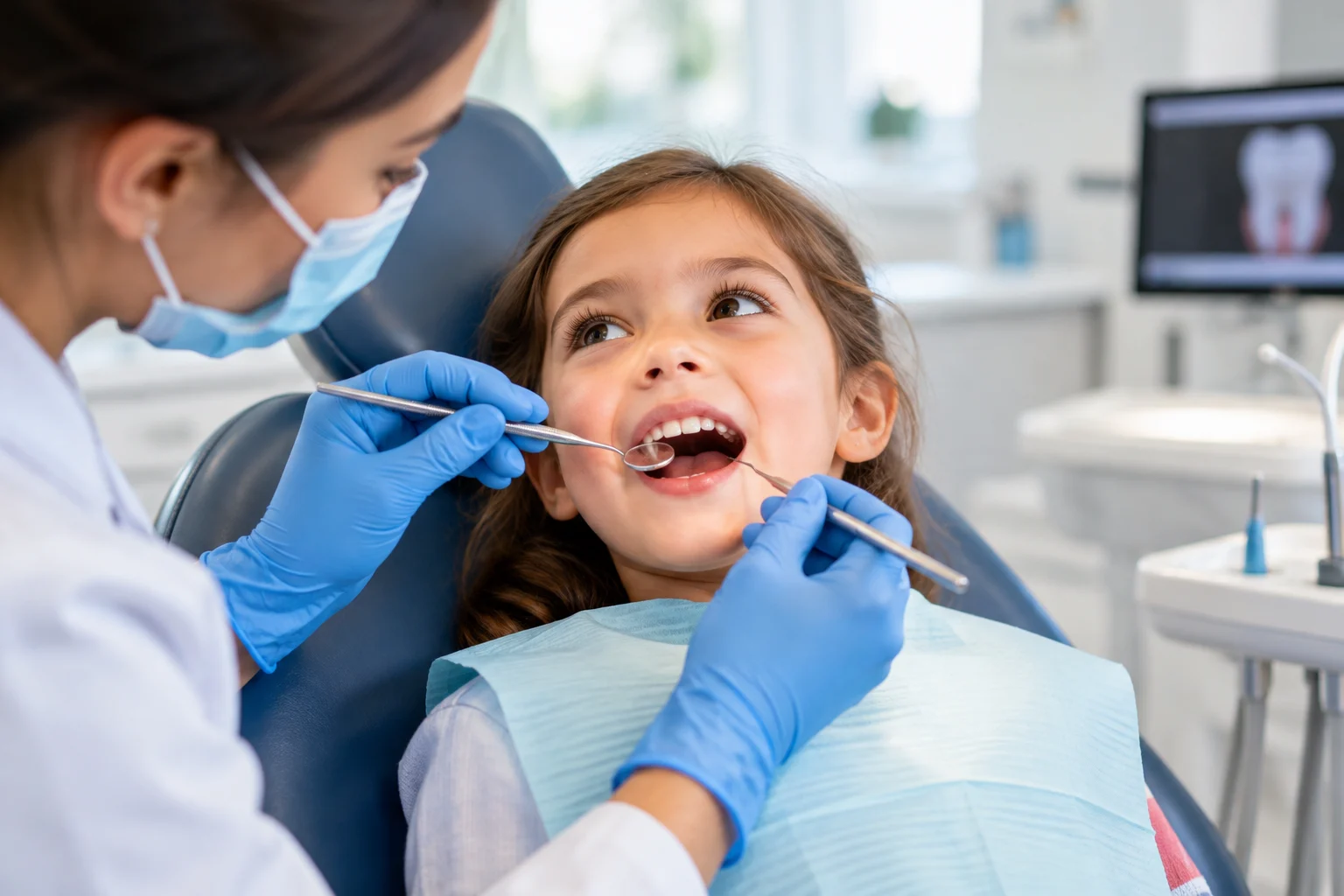
Early Signs of Tooth Decay in Children Parents Shouldn't Ignore
Learn how to spot early signs of tooth decay in children. Protect your child's smile with helpful tips on chalky spots, sensitivity, and preventative habits.
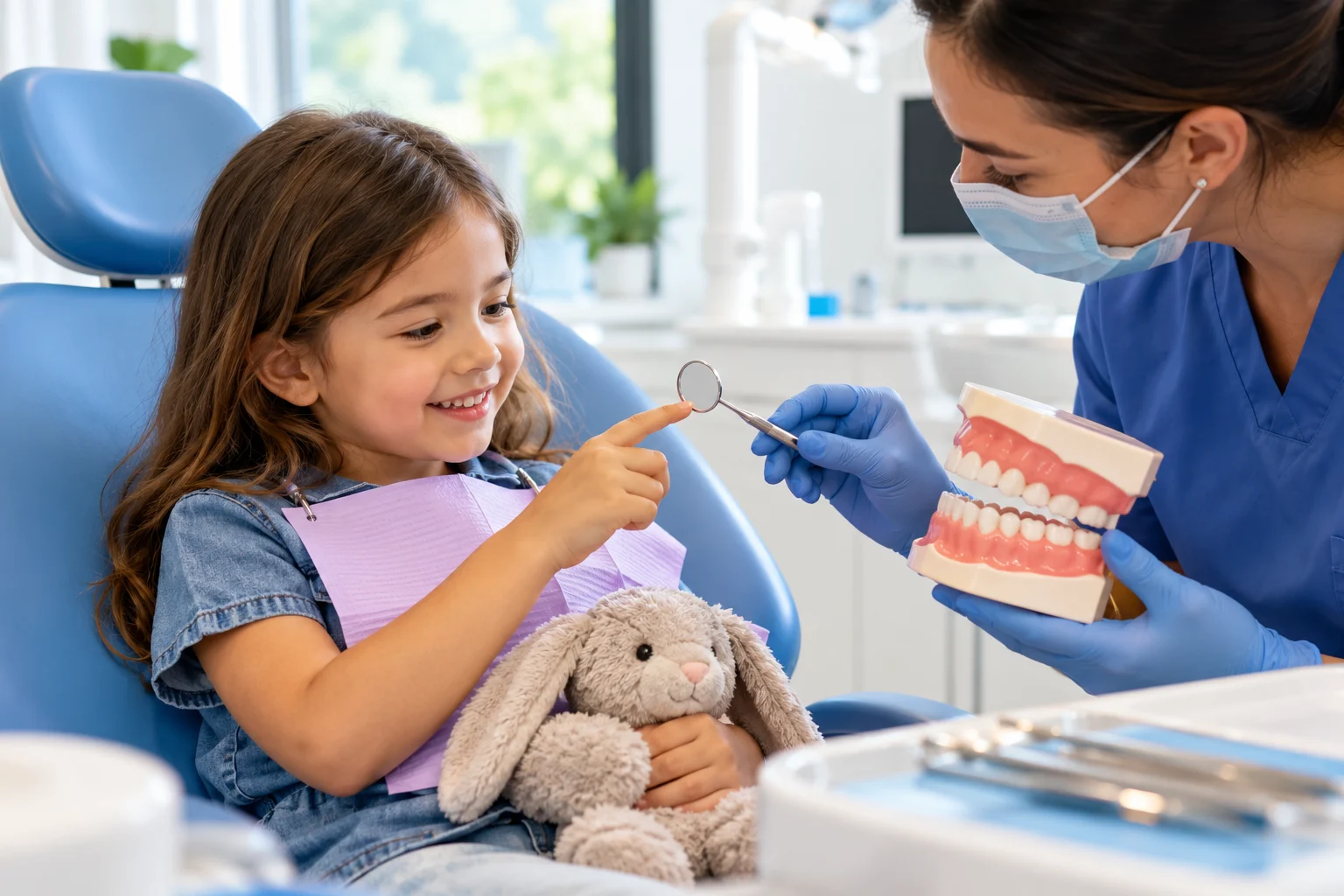
Desensitization Visits for Kids - Comfort Before Dental Care
Learn how dental desensitization visits help anxious kids and neurodivergent children get comfortable with pediatric dental care through gentle exposure.