
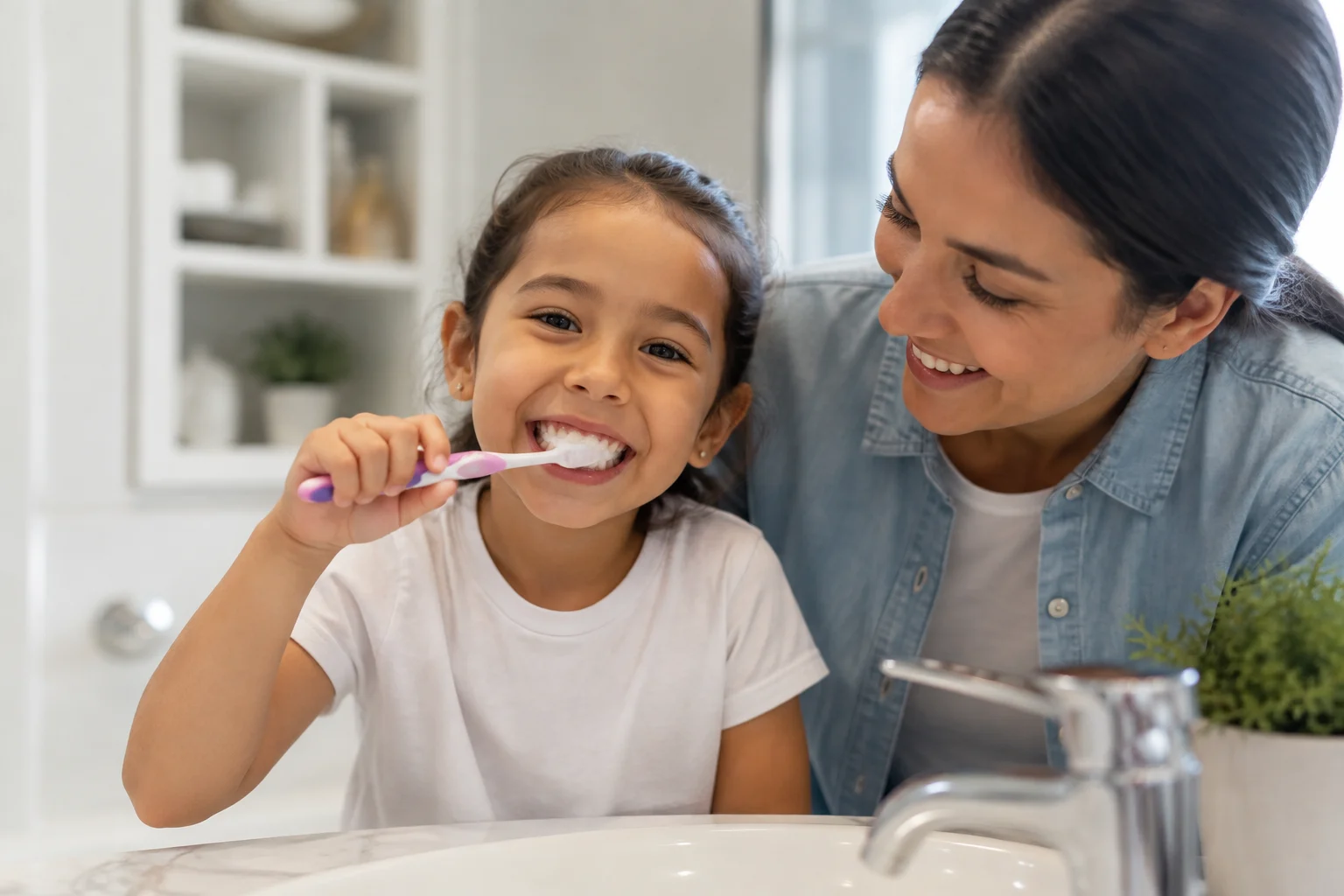
Here is a choice every parent runs into, whether they realize it or not: wait for cavities to show up and treat them, or build a daily routine that stops them before they start. Both paths mean dental visits. Both mean some effort at home. But the outcomes, and the costs, look completely different a few years down the road. Reactive care means fillings, some discomfort for your kid, and repeat trips to fix the same problem twice. Preventive care means professional preventive treatments, sealants, solid brushing habits, and a lot fewer surprises at checkups.
So why does this matter? Because too many parents assume cavities are just part of childhood. They are not. Understanding how to prevent dental cavities in kids, instead of just reacting once one shows up, changes the whole trajectory of your child's oral health. It also tends to make dental visits a lot less stressful for everyone in the room.
Reactive Treatment vs. Prevention: How to Stop Child Dental Cavities Early
Once a cavity gets treated, the tooth structure is already compromised. A filling restores function. It does not restore the tooth to what it was. And kids who go through that cycle over and over sometimes start dreading the dentist, since they have learned to associate the chair with discomfort instead of routine care.
Prevention works differently. It is about stopping decay before it ever starts, using daily habits at home plus professional support like preventive treatments and dental sealants. Here is the tradeoff: prevention takes consistency but skips the invasive stuff in most cases. Reactive treatment takes less daily effort but usually means more clinical work down the road.
Neither path is about blame. Cavities happen even in households with decent habits, since genetics, enamel strength, and diet all factor in. But shifting from reactive care to active prevention tends to produce noticeably better outcomes over time. Every time.
Why Preventing Cavities in Baby Teeth Matters for Long-Term Oral Health
Some parents figure cavities in baby teeth are no big deal since those teeth fall out anyway. Not true. Baby teeth hold space for permanent teeth, help kids learn to talk properly, and support real chewing and nutrition. Untreated decay in a baby tooth can lead to infection or pain, and it can mess with the permanent tooth developing right underneath it. Child dental cavity prevention should start the moment that first tooth pokes through, not once permanent teeth show up.
Daily Habits That Support Dental Cavity Prevention in Children
Good prevention starts at home. And honestly, the routine does not need to be complicated. Consistency matters more than perfection every single time.
Brushing twice a day with an age-appropriate toothpaste is the foundation for maintaining strong tooth enamel. For kids under three, a rice-grain amount is typically enough. That moves to a pea-sized amount as they get older. Supervision matters here, since young kids usually do not have the motor skills to brush thoroughly on their own until around age six or seven.
Flossing once a day, once teeth start touching, clears out plaque and food bits from spots a toothbrush cannot reach. This is one of those child dental cavity prevention steps that gets skipped constantly (mostly because kids find it tedious), but it does real work in cutting down cavity risk between teeth.
Limiting sugary snacks and drinks, especially sticky candy, juice, and soda, cuts off the fuel that cavity-causing bacteria feed on. Nobody is saying cut-out treats entirely. It is about frequency. Constant grazing on sugar throughout the day usually does more damage than one dessert after dinner, since it keeps the mouth acidic for hours at a stretch.
Water instead of juice or soda between meals rinses the mouth naturally and keeps kids hydrated without the sugar hit.
How Preventive Dental Treatments Help Strengthen Children's Teeth
Preventive dental treatments help protect developing teeth and reduce the risk of cavities before they become larger problems. Professional recommendations may vary depending on a child's individual oral health needs, risk factors, and overall dental development. Discussing prevention options with your pediatric dentist can help ensure your child receives the right care at the right time. These preventive strategies are an important part of pediatric dental cavity prevention and require no extra daily effort from parents beyond keeping up with routine visits.
Professional Pediatric Dental Prevention: Sealants, Checkups, and Early Guidance
Home habits only go so far. Professional preventive care fills in the gaps that brushing and flossing cannot cover on their own.
Dental sealants are thin protective coatings painted onto the chewing surfaces of molars, where deep grooves make brushing less effective. They act as a barrier against food and bacteria, and they are usually applied once permanent molars come in, though baby teeth can get them too depending on a child's individual risk.
Regular checkups, typically every six months, give a pediatric dentist the chance to catch early decay before it turns into something that needs a filling. These visits also give you a chance to ask questions specific to your kid, whether that is teething, thumb-sucking, or diet.
At Polished Pediatric Dentistry, visits are built to feel approachable for kids, and that matters more than it might seem. A child who feels comfortable at the dentist actually shows up for the next visit and the one after that. That comfort factor plays into prevention just as much as the clinical work does, since missed or avoided appointments are one of the most common reasons early decay slips through unnoticed.
Pediatric Dental Care in Marlboro: What Makes It Different
A pediatric dentist focuses specifically on kids and teens, from infancy all the way through adolescence. That means understanding how a child's mouth develops over time, knowing how to talk to young patients in a way that does not scare them, and catching early warning signs that might slip past in a general dental setting. Families looking for a pediatric dentist in Marlboro, NJ, often find that this focused approach makes routine visits and any treatment that comes up a lot more manageable for both kid and parent.
Ready to Protect Your Child's Teeth From Cavities?
Building strong habits early and staying consistent with checkups gives your child a real head start on avoiding cavities and skipping unnecessary dental work later. Sound like a lot to figure out on your own? If you are looking for guidance on child dental cavity prevention or just need to get a checkup on the calendar, Polished Pediatric Dentistry, serving families near Marlboro, NJ, can help you put together a plan that actually fits your child. Reach out today to book an appointment and take the next step toward better oral health for your kid.
Frequently Asked Questions About Child Dental Cavity Prevention
Q: At what age should my child start seeing a pediatric dentist?
A: The American Academy of Pediatric Dentistry recommends a first visit by age one, or within six months of that first tooth coming in. Early visits set a baseline and give you guidance on brushing, feeding, and teething before problems have a chance to start.
Q: How often should kids get dental checkups to prevent cavities?
A: Most kids do fine with a checkup every six months. Some kids with higher cavity risk may need to come in more often, depending on diet, enamel strength, and brushing habits. Worth talking through a personalized schedule with your child's dentist.
Q: Are dental sealants safe for young children?
A: Yes. Sealants are well-established and considered safe for kids. They go on as a thin coating over the molars and do not require removing any tooth structure, which makes them a low-intervention way to guard the hard-to-clean spots.
Q: Can diet really make a difference in cavity prevention?
A: Big time. Frequent exposure to sugary foods and drinks feeds the bacteria behind decay, while a balanced diet with less frequent sugar exposure gives teeth time to recover between meals. Water and whole foods beat sticky snacks and sugary drinks, hands down.
Q: What should I do if I already see a dark spot or discoloration on my child's tooth?
A: Get in for a visit as soon as you can. Catching it early can sometimes stop a small spot of decay from turning into a bigger cavity that needs more extensive work. Waiting usually just lets the problem grow, so it is worth getting it checked out promptly.

What Is a Sensory Friendly Dental Visit? A Guide for Parents
Curious what a sensory friendly dental visit involves? Learn how a sensory friendly pediatric dentist adjusts sound, light and pacing for a calmer checkup.
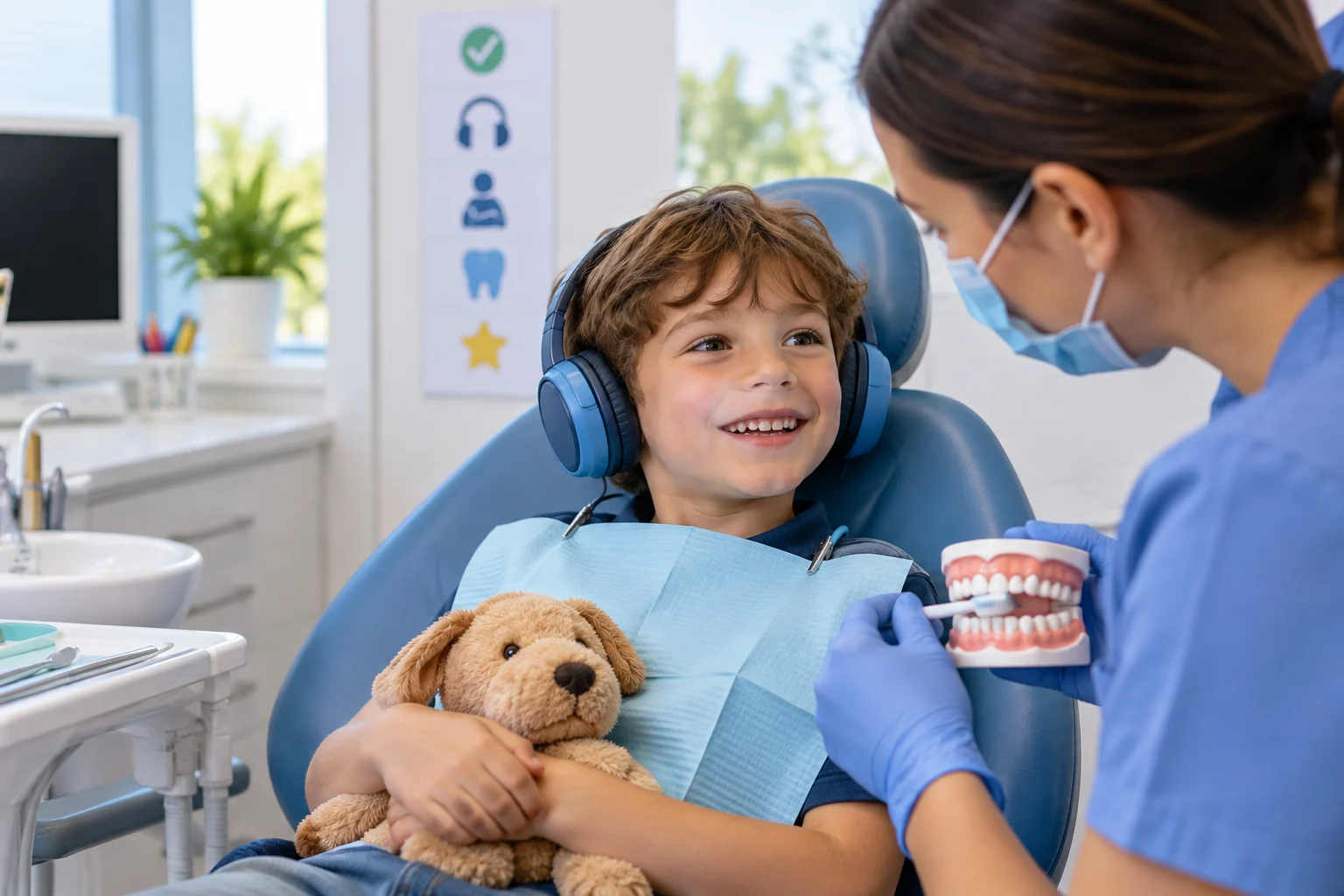
Dental Care Tips for Children With ADHD: A Parent Guide
Looking for dental care tips for children with ADHD? Discover practical strategies for brushing, dentist visits, and building calmer oral care routines.

Pacifiers vs Thumb Sucking: When to Stop for Healthy Teeth
Learn when to stop pacifiers vs thumb sucking, how these habits affect teeth and jaw development, and gentle ways to help your child break the habit.