
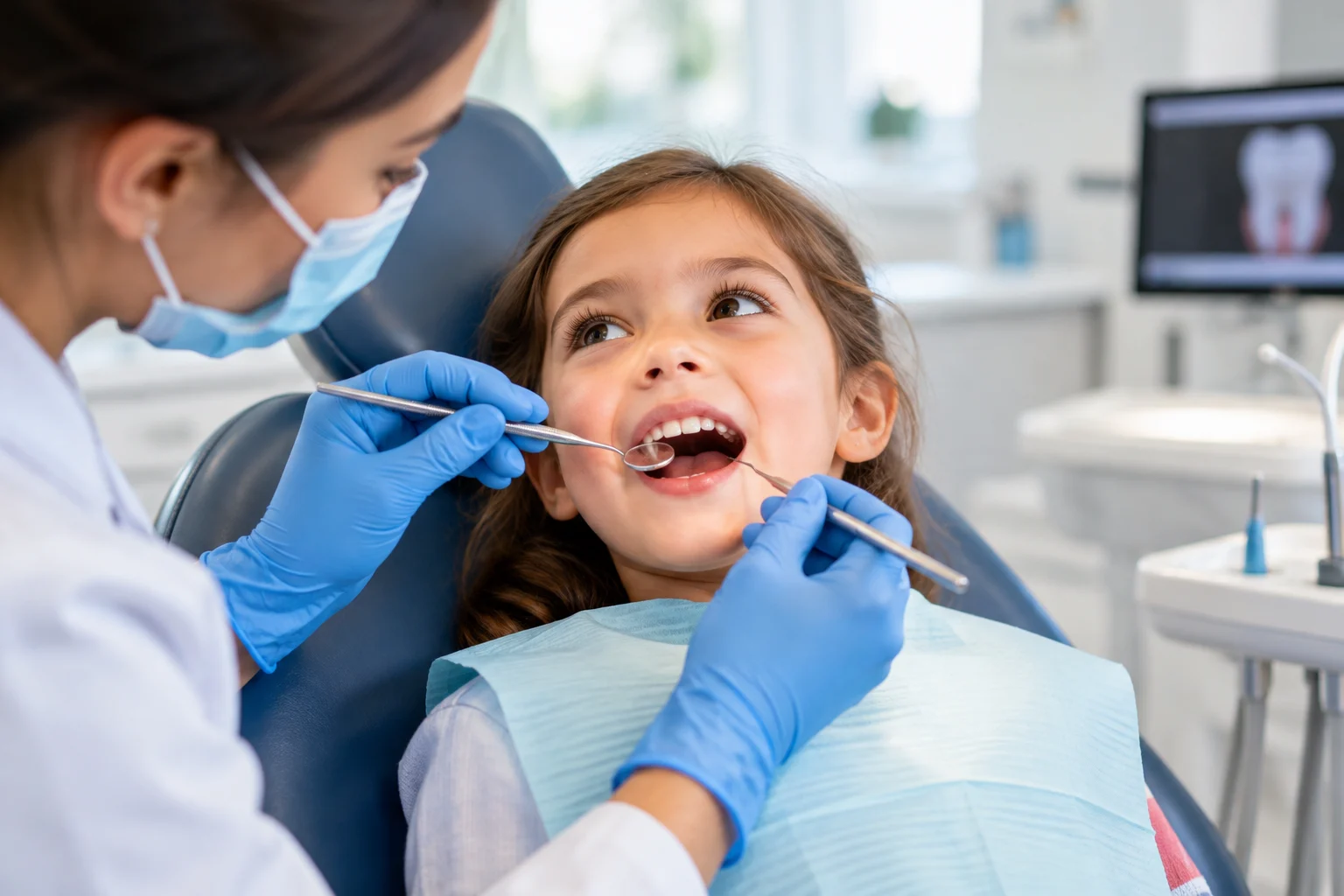
As a parent, you watch every milestone, from first steps to the first loose tooth. Keeping an eye on your child's smile takes more than brushing before bed, though. Early cavities can develop quietly and often cause no pain at first. By the time a child complains of a toothache, enamel breakdown may already be well underway. Catching the early signs of tooth decay in children lets us step in with gentle, conservative care that protects baby teeth.
Baby teeth matter. They help children chew healthy foods, speak clearly and hold space in the jaw for adult teeth. Because baby tooth enamel is thinner than adult enamel, decay can spread quickly. Noticing small changes in color, gum appearance or eating habits helps you act before a small concern becomes a bigger one.
Here is what to look for, what causes early enamel breakdown and how early care keeps growing smiles healthy.
What Are the Early Signs of Tooth Decay in Children?
Many parents expect a cavity to look like a dark hole in a tooth. Early decay is usually much subtler. During daily brushing, watch for these early signs of tooth decay in children:
- Chalky white spots: Dull, chalky white lines or patches along the gumline or between teeth point to early mineral loss in the enamel.
- Light brown or tan discoloration: As the area weakens, white spots can turn pale yellow, tan or light brown.
- Sensitivity to cold or sweets: A child who winces or pauses when drinking cold water or eating sweet snacks may have weakened enamel.
- Changes in eating habits: Chewing on one side only or avoiding crunchy foods can mean a tooth is uncomfortable.
- Red, puffy or bleeding gums: Inflammation along the gumline often means plaque is building up.
Spotting these signs at home gives you the best chance to stop decay early with simple, non-invasive habits.
What Causes Early Tooth Decay in Children?
Decay is driven by the daily interaction of bacteria, sugars and saliva. When children eat or drink carbohydrates, the bacteria in the mouth feed on the sugars and produce acid. That acid pulls minerals like calcium and phosphate out of the enamel. For a closer look, read what causes cavities in kids.
Everyday habits that can contribute include:
- Frequent snacking and sipping: Sipping juice, flavored milk or sweetened drinks all day keeps teeth coated in sugar.
- Bedtime bottles or sippy cups: Milk or juice can pool around the front teeth for hours while saliva slows during sleep. Our post on baby bottle tooth decay explains how to avoid it.
- Deep grooves in molars: Back teeth have deep grooves that trap food and plaque that bristles cannot always reach.
- Incomplete plaque removal: Young children do not yet have the dexterity to clean every surface without help.
Knowing these factors makes it easier to adjust daily routines and reduce acid exposure.
How Pediatric Dentists Treat Early Decay Conservatively
Finding early signs of tooth decay in children does not automatically mean drilling. Modern preventive dentistry focuses on gentle, protective options that keep children comfortable. When decay is caught early, the options can include:
Dental Sealants
For deep molar grooves, dental sealants add a thin protective coating that keeps food and bacteria out. Placing one does not require drilling.
Silver Diamine Fluoride
For a cavity that has started, silver diamine fluoride is a liquid applied directly to the tooth to help stop decay from progressing. It is quick and needs no drilling, though treated areas can darken, so it is worth discussing with your dentist first.
Professional Cleanings and Nutrition Guidance
Regular pediatric dental cleanings remove plaque and tartar that home brushing misses, and your care team can offer simple advice on snacks, drinks and brushing for your child's age.
Practical Steps Parents Can Take at Home
Checkups provide monitoring, but daily care is your child's first line of defense. These habits are a strong start, and our guide on how to prevent cavities in kids goes into more detail:
- Help with brushing until around age eight: Brush twice a day for two minutes with a soft toothbrush. Young children need help reaching the back molars, and the right amount of toothpaste changes with age, as our toothpaste amounts by age guide shows.
- Floss once teeth touch: Start cleaning between teeth as soon as two baby teeth sit close together.
- Choose water over sugary drinks: Plain water between meals helps rinse away food and balance mouth acidity.
- Pick tooth-friendly snacks: Fresh vegetables, cheese sticks and nuts are better choices than sticky dried fruit, crackers and fruit snacks.
- Visit the dentist every six months: Routine checkups let us monitor enamel, spot early signs of tooth decay in children and address small concerns early.
Schedule Your Child's Evaluation at Polished Pediatric Dentistry
If you have noticed white spots, changes in tooth color, or simply want to make sure your child's smile stays healthy, we are here to help. Recognizing the early signs of tooth decay in children lets you protect their oral health with gentle, proactive care. At Polished Pediatric Dentistry, Dr. Dinah Jammal and our team provide patient-centered care in a warm, welcoming environment where children feel safe and parents feel informed. Contact us today to schedule your child's checkup and partner with us in watching for early signs of tooth decay in children.
Frequently Asked Questions About Childhood Tooth Decay
Are baby teeth really that important if they will fall out anyway?
Yes. Baby teeth support chewing and speech, and they guide permanent teeth into the right position. Losing a baby tooth early to decay can lead to crowding or misalignment of adult teeth.
Can chalky white spots on my child's teeth be reversed?
Often, yes. White spots are early mineral loss that happens before a cavity forms. With good brushing, healthier snacking and professional care, many of these spots can stabilize. Your dentist can tell you whether a spot needs treatment.
What should I do if my child complains of tooth sensitivity?
Schedule an evaluation with your pediatric dentist. Sensitivity can point to early enamel wear, plaque buildup or a small cavity that is best treated promptly.
At what age should my child have their first dental checkup?
Pediatric health organizations recommend a first dental visit when the first tooth appears, or by the first birthday. Early visits help your child get comfortable at the dentist and let us catch early signs of decay.
How can I tell if my child is brushing well enough?
Check their teeth under a bright light after brushing. Look along the gumline for soft, pale yellow plaque. If you see any left behind, gently help them brush those spots.
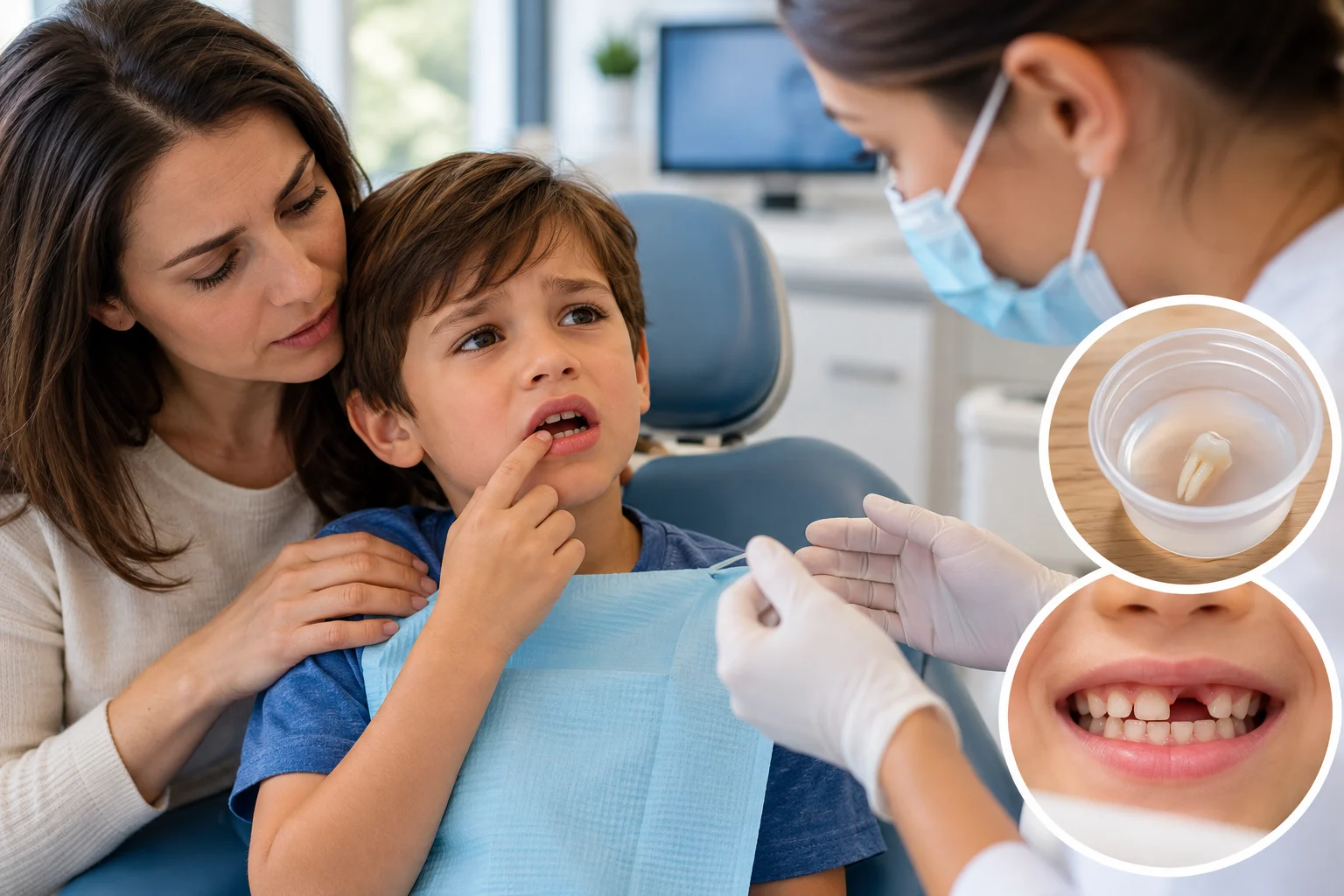
My Child Knocked Out a Tooth: Emergency Steps for Parents
Learn what to do if your child knocked out a tooth. Follow essential first-aid steps for baby teeth and permanent teeth to protect your child's smile.
Early Signs of Tooth Decay in Children Parents Shouldn't Ignore
Learn how to spot early signs of tooth decay in children. Protect your child's smile with helpful tips on chalky spots, sensitivity, and preventative habits.
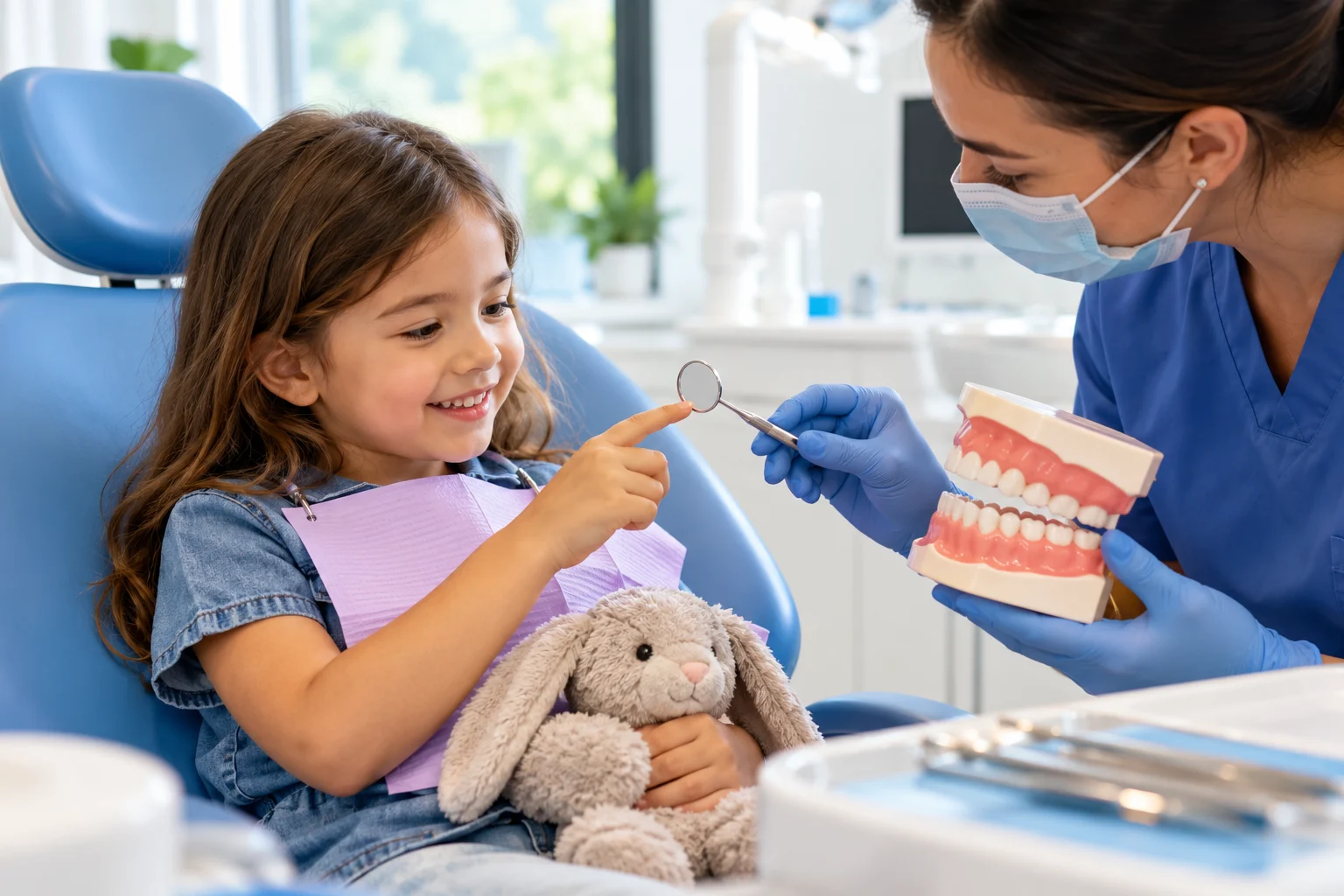
Desensitization Visits for Kids - Comfort Before Dental Care
Learn how dental desensitization visits help anxious kids and neurodivergent children get comfortable with pediatric dental care through gentle exposure.