
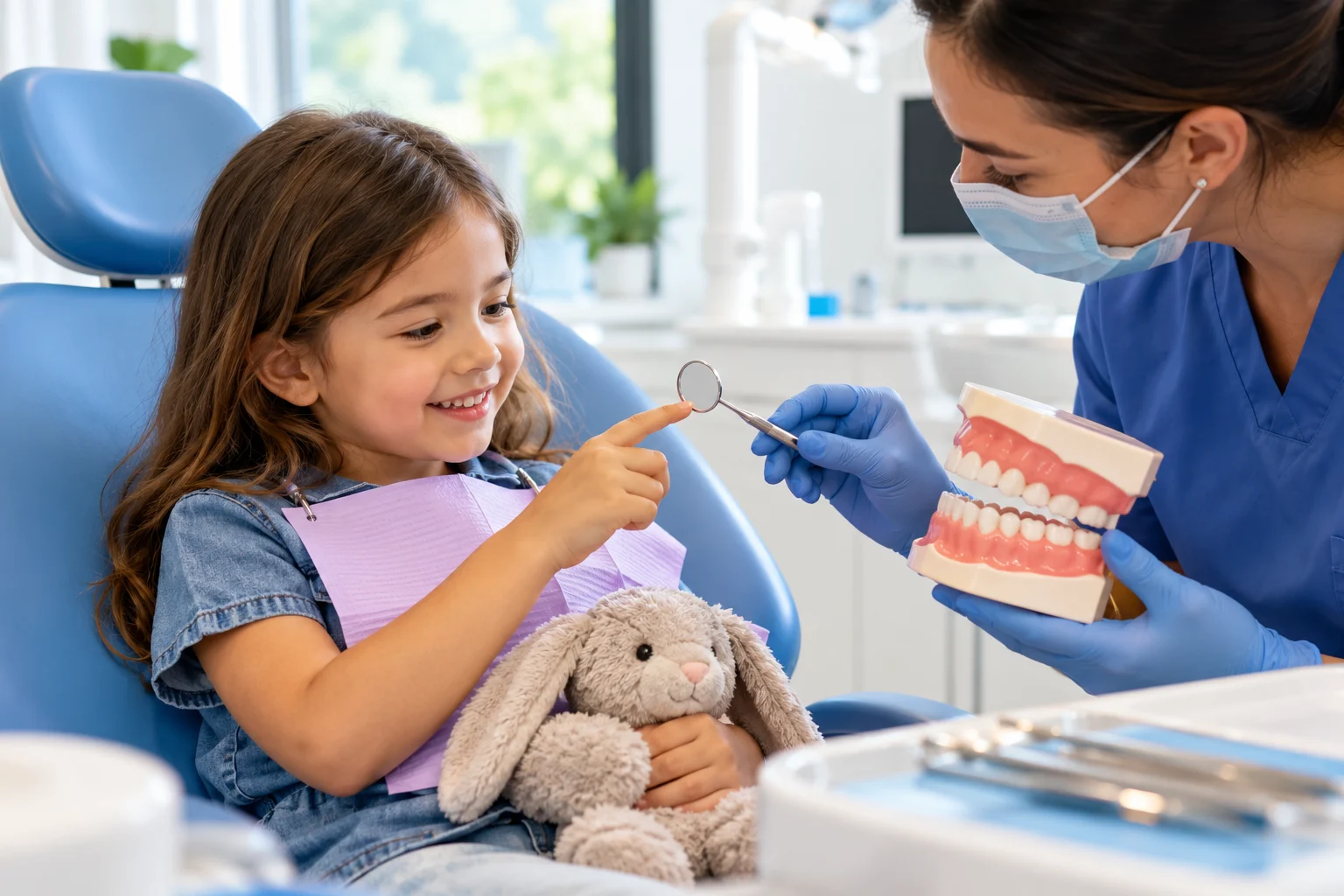
Walking into a dental office can stir up a mix of emotions for a young child. Bright overhead lights, unfamiliar smells, humming suction tools and friendly adults in masks can all feel like a lot. For children with sensory sensitivities, toddlers, or kids who are afraid of the dentist, going straight into a cleaning or a filling can lead to real distress. That is where desensitization visits help.
A desensitization visit is a short, low-pressure appointment that lets a child get used to the dental office at their own pace. Instead of starting with an exam or treatment, the visit breaks the experience into small steps. By introducing sounds, tools and routines gradually and positively, children build trust and confidence before any care begins.
Below, we explain how desensitization visits work, who benefits most, and how you can prepare your child at home.
How Do Dental Desensitization Visits Work for Anxious Children?
Desensitization is built on gradual exposure, a well-known behavioral approach. The goal is to replace worry and uncertainty with familiarity. During the visit, the team introduces the room, sounds and tools slowly, and your child can look, touch and listen without any expectation that care will be done.
A visit is usually broken into small steps like these:
- Exploring the room: Stepping into the treatment room, riding up and down in the dental chair and getting used to the overhead light.
- Meeting the tools: Touching a soft cotton roll, feeling a puff of air on the hand or hearing the quiet hum of a polishing cup.
- Practicing a quick look: Opening wide for a moment so the dentist can count teeth with a gentle finger or a small mirror.
- Celebrating small wins: Warm praise for every step, whether your child sits in the chair for ten seconds or allows a gentle touch on a tooth.
With the pressure taken away, unfamiliar sights and sounds become predictable and friendly. At Polished Pediatric Dentistry, our special needs dental care includes a desensitization room where children can explore the space and meet the team before treatment begins.
Which Children Benefit Most from Pediatric Dental Desensitization?
Any child can enjoy a gentle introduction to the dentist, but gradual exposure is especially helpful for kids who need more time to adjust to new places. It may be a good fit if your child is in one of these groups:
- Sensory sensitivity: Children who are overwhelmed by loud noises, bright lights, unfamiliar tastes or close physical contact.
- Neurodivergent children: Autistic children, kids with ADHD or children with developmental delays who do best with clear routines. Our dental care tips for children with autism offer more guidance for families.
- Past dental anxiety: Children who had an uncomfortable medical or dental visit and need to rebuild confidence.
- Very young toddlers: First-time visitors who are still learning to sit still and follow directions from new adults.
- Upcoming treatment: Kids who will need dental work in the future and benefit from practicing chair habits first.
Tailoring the visit to your child's comfort level helps dental care feel predictable instead of intimidating. If you are not sure why your child resists the dentist, it can help to understand why kids are afraid of the dentist.
Key Strategies Used During Pediatric Desensitization Appointments
Tell-Show-Do Communication
This classic pediatric technique is at the heart of a desensitization visit. The dentist first explains a tool or step in simple words (tell), then demonstrates it on a toy, a puppet or the child's fingernail (show), and only then, with the child's okay, does the short step on a tooth (do).
Predictable Steps
Many children feel more secure when they know what comes next. Explaining each step before it happens, and giving your child extra time for each one, helps kids move from the waiting room to the chair with less stress.
Sensory Adjustments
Small changes to the environment can make a big difference. Dimmed overhead lights, noise-reducing headphones, calming music and weighted blankets or lap pads help sensory-sensitive children relax. Our guide to a sensory-friendly dental visit covers these adjustments in more detail.
How Parents Can Prepare Their Child for a Desensitization Visit
Parents are key partners in building a positive dental mindset. A little preparation at home makes the in-office visit more effective:
- Use positive, neutral words: Talk about the appointment cheerfully and avoid words like needle, pain, shot or hurt, even when you are reassuring your child that those things will not happen.
- Read dental storybooks together: Colorful books or short videos of children visiting the dentist build familiarity. Picture cards or a simple social story of the visit can help too.
- Play pretend dentist: Count each other's teeth with a small flashlight or a spoon while your child lies back on a pillow.
- Bring comfort items: A favorite stuffed animal, a blanket or a fidget toy can help your child feel secure during the visit.
- Keep expectations flexible: Progress takes time. Celebrate small steps, and stay positive if your child needs more than one visit. Our tips on helping kids with dental anxiety and how to prepare a special needs child for the dentist offer more ideas.
If your little one is just starting out, our first visit information explains what to expect, and infant dentistry is a gentle way to begin the dental journey early.
Schedule Your Child's Visit at Polished Pediatric Dentistry
Every child deserves a gentle path toward healthy, confident smiles. If you are looking for compassionate care that fits your child's emotional and sensory needs, a desensitization visit is a great place to start. Our team at Polished Pediatric Dentistry takes time to build trust, respect your child's boundaries and create a warm, friendly space where kids feel safe. Contact us today to schedule your consultation and see how a desensitization visit can make your child's next dental experience positive and comfortable.
Frequently Asked Questions About Desensitization Visits
How long does a typical pediatric desensitization visit last?
Desensitization visits are kept short and paced around your child. Short visits prevent fatigue and help the experience stay positive for young children.
How many desensitization visits will my child need before treatment?
Every child adjusts at their own pace. Some feel confident after one or two short visits, while others do better with a few visits over several weeks.
Are desensitization visits suitable for toddlers who cannot talk yet?
Yes. Desensitization relies on visual cues, gentle touch and positive body language, so it works well for toddlers and children who are not yet speaking.
What happens if my child cries or refuses to sit in the chair?
That is completely okay. The goal of the visit is comfort, not completing a task. Your child can explore the room, stay close to a parent and take as long as they need.
How do I know if my child needs a desensitization visit instead of a regular cleaning?
If your child becomes very anxious in new places, has sensory processing challenges or gets upset during routine checkups, a desensitization visit is a helpful first step before a regular appointment.
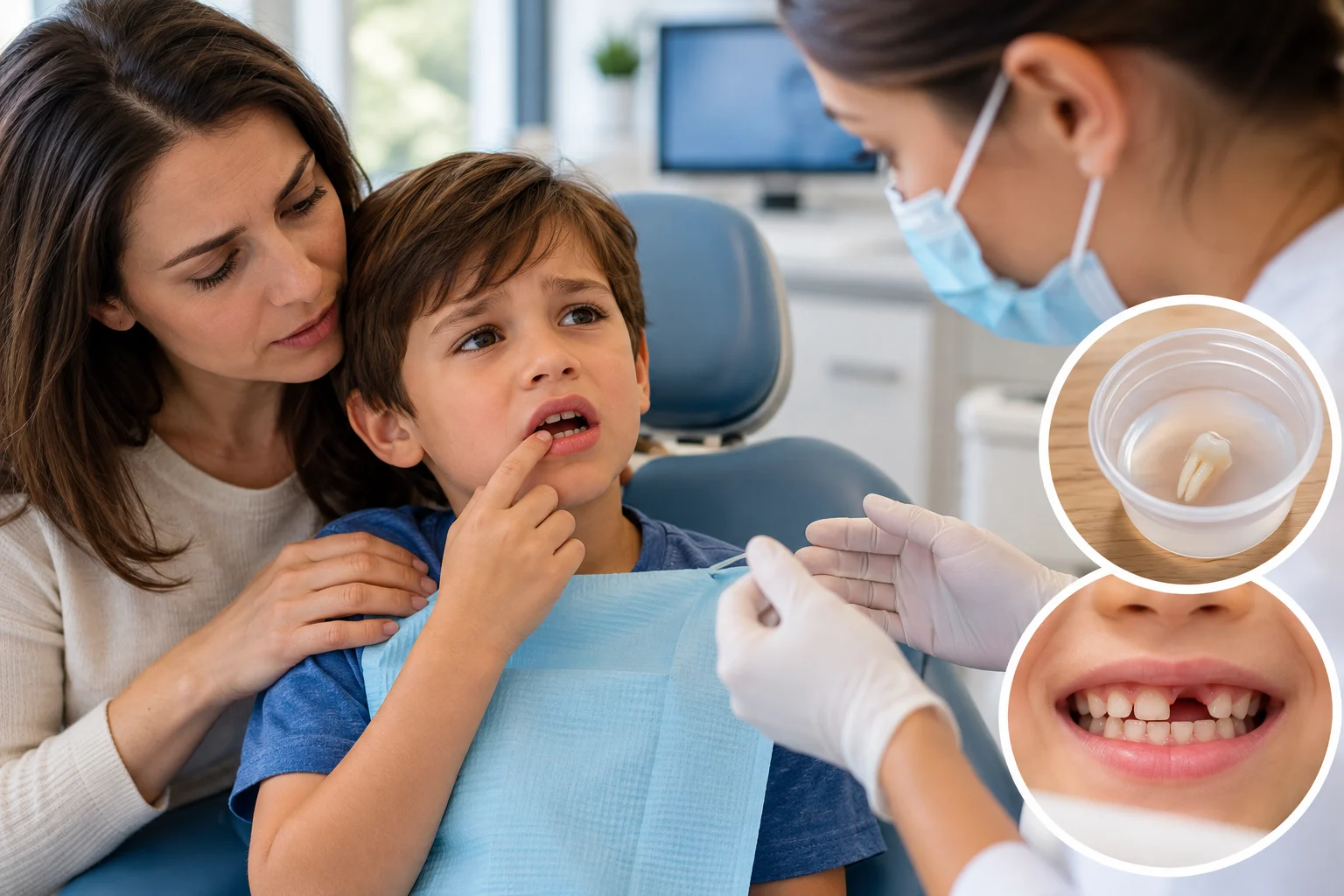
My Child Knocked Out a Tooth: Emergency Steps for Parents
Learn what to do if your child knocked out a tooth. Follow essential first-aid steps for baby teeth and permanent teeth to protect your child's smile.
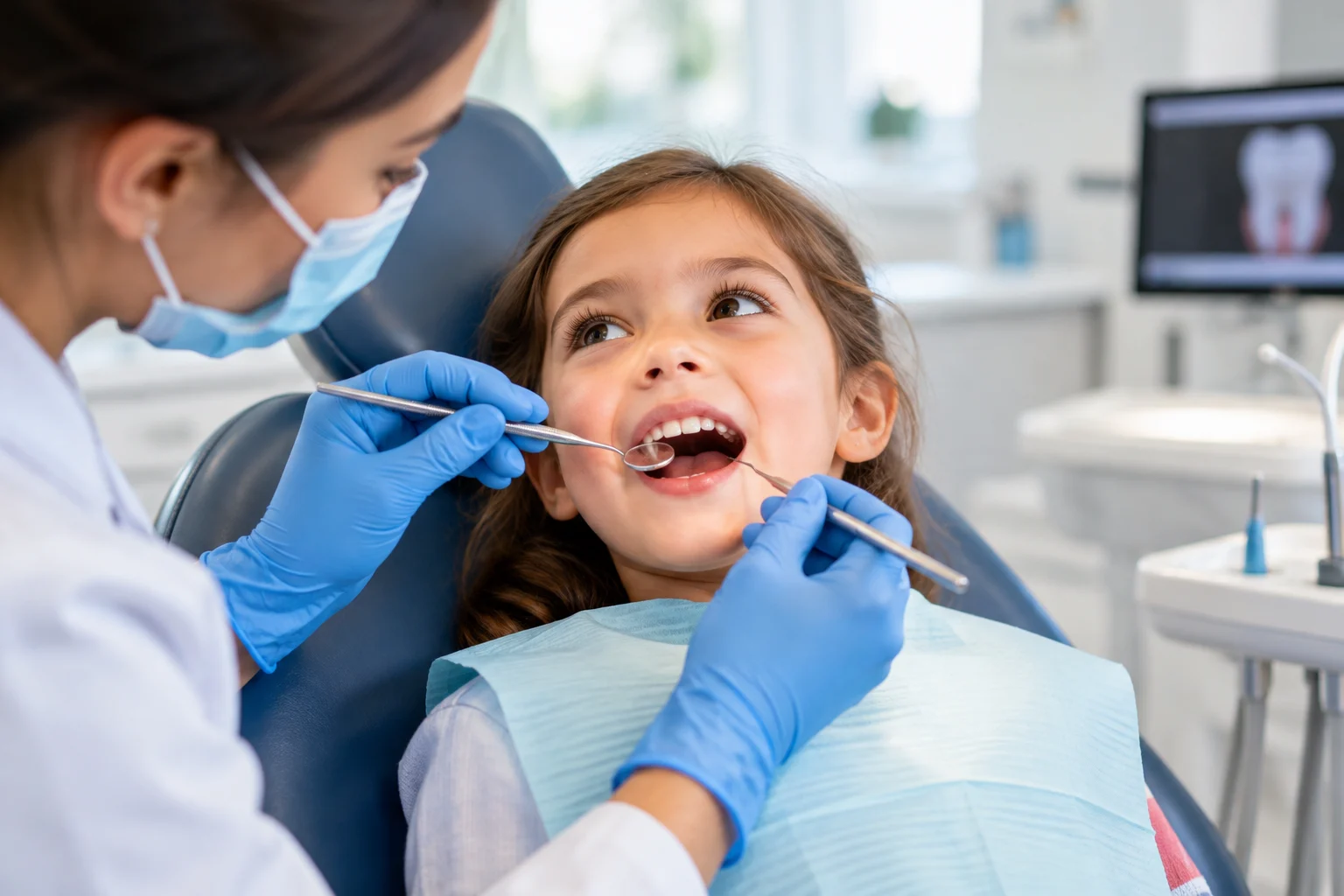
Early Signs of Tooth Decay in Children Parents Shouldn't Ignore
Learn how to spot early signs of tooth decay in children. Protect your child's smile with helpful tips on chalky spots, sensitivity, and preventative habits.
Desensitization Visits for Kids - Comfort Before Dental Care
Learn how dental desensitization visits help anxious kids and neurodivergent children get comfortable with pediatric dental care through gentle exposure.