
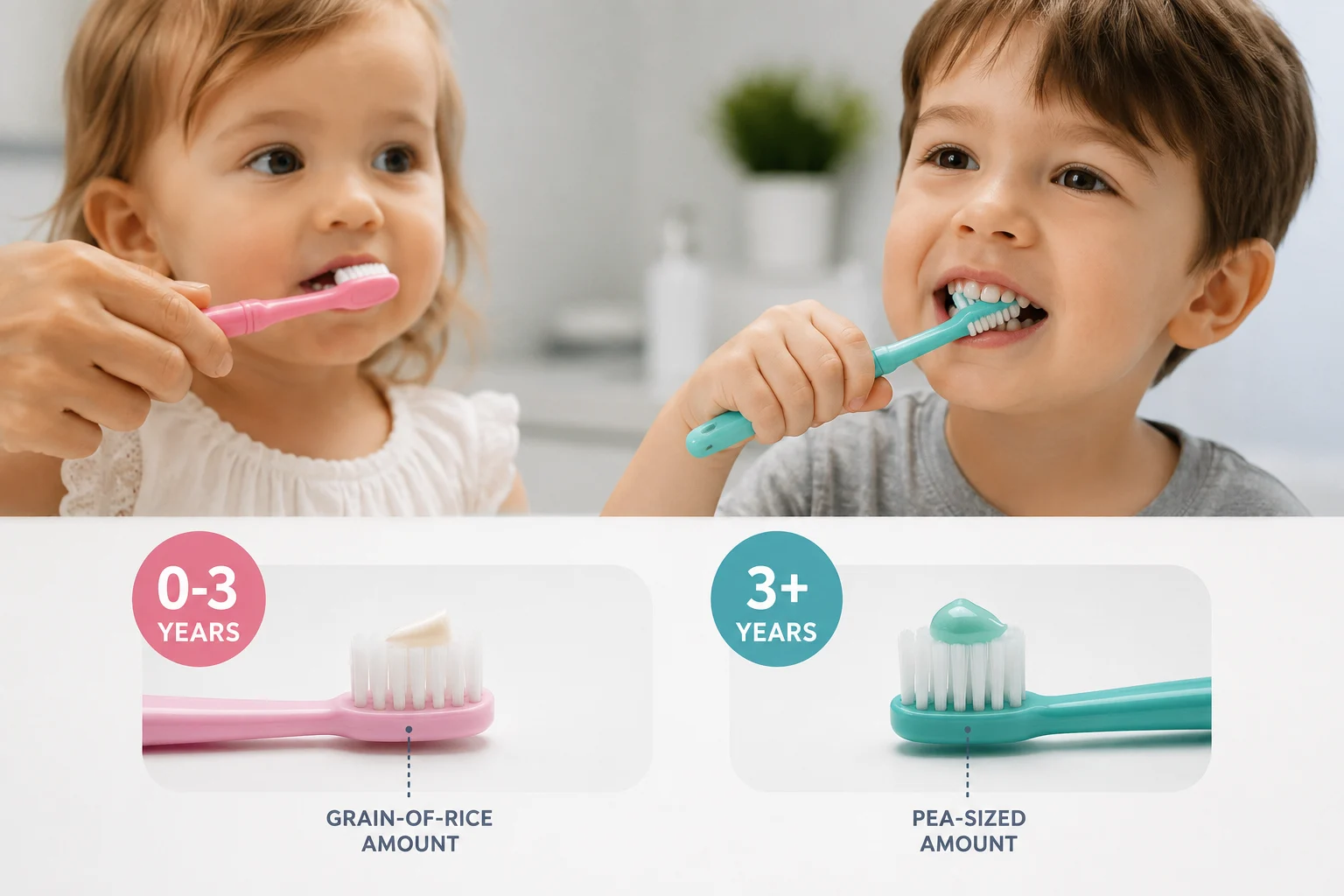
It sounds like such a small thing. How much toothpaste could possibly matter? But toothpaste amount by age is one of those topics that comes up constantly at Polished Pediatric Dentistry, and for good reason. Too little and teeth aren't getting the full benefit of brushing. Too much and you're dealing with a child who swallows more than they should and a bathroom sink that looks like a minty explosion happened. Getting it right is genuinely worth knowing about, and it's simpler than most parents expect once you understand the reasoning behind it.
Why the Amount of Toothpaste You Use Actually Matters
Most adults squeeze toothpaste onto a brush the way they've seen it done in commercials, a generous ribbon running the full length of the bristles. That works fine for adults. For children, especially young ones, it's way more than necessary and can cause problems.
Young children are still developing the ability to spit effectively, which means a good portion of whatever goes in their mouth gets swallowed. Swallowing small amounts of toothpaste regularly over time can lead to a condition called dental fluorosis, where white spots or streaks develop on the permanent teeth as they're forming beneath the gumline. It's not a health emergency, but it is a cosmetic issue that's entirely preventable simply by using the right amount for each age.
On the flip side, using too little toothpaste, or skipping it altogether for very young children out of overcaution, means teeth aren't getting the protective benefits that toothpaste is designed to provide. The goal is to land in the right range, and the guidelines for doing that are actually very clear.
The Grain of Rice Stage: Birth to Age Three
As soon as your child's first tooth appears, usually somewhere around six months old, it's time to start brushing. Along with establishing good brushing habits, this is also the ideal time to learn more about infant dentistry. The right toothpaste amount for this stage is a smear about the size of a grain of rice.
That's genuinely tiny. If you look at a grain of rice and think there's no way that's doing anything, it might help to know that even that small amount contains enough active ingredient to protect those first emerging teeth. The point at this age isn't a heavy-duty clean. It's establishing the habit, introducing the mouth to the sensation of brushing, and providing a protective benefit to teeth that are fresh and still developing their full strength.
Because the grain-of-rice amount is so small, even if your toddler swallows it, the quantity involved is well within safe limits. That's exactly why the amount is kept so small for this age group. It gives you the benefit without the concern.
Practically speaking, a smear this size sits more on the bristles than across them. It might feel like almost nothing, and that's exactly right. Resist the urge to add more even when it looks like it can't possibly be enough. If your little one hasn't yet had their first dental visit, scheduling one early helps ensure their teeth are developing as expected.
Moving Up to Pea-Sized: Ages Three to Six
Around the third birthday, the toothpaste amount by age guidelines moves up to a pea-sized amount. A single pea. That's still quite a bit smaller than what most adults use, but it's a meaningful step up from the grain-of-rice stage and reflects the fact that children this age are developing better spitting ability and have more teeth to cover.
By age three, most children have a full set of twenty baby teeth, so there's more surface area to clean. A pea-sized amount of toothpaste covers that ground appropriately. It also works better for the slightly longer brushing sessions that children in this age range can now manage with parent supervision. Pairing daily brushing with regular pediatric dental cleanings helps keep those teeth healthy and allows your child's dentist to monitor their oral development.
The spitting reminder is still important at this stage, though. Three-year-olds are better at it than babies, but consistent and complete spitting is still a work in progress for most kids. Keeping the amount at pea-sized rather than drifting upward is what keeps the swallowing risk in check even when technique isn't perfect.
This is also the age range where toothpaste flavor choices start to matter more. Kids in this stage are opinionated, and finding a toothpaste flavor they actually like goes a long way toward making brushing something they participate in willingly rather than resist.
Ages Six and Up: Staying Pea-Sized Longer Than You'd Think
Here's something that surprises a lot of parents. The pea-sized amount actually continues to be the right recommendation for children well beyond age six, even as they become more capable brushers with better spitting technique. The American Academy of Pediatric Dentistry recommends keeping toothpaste amounts modest through childhood, and there's no point at which suddenly loading up the brush makes sense just because the child is older.
By the time children are reliably spitting completely and brushing independently with solid technique, usually somewhere in the eight to ten range, a slightly larger amount becomes less of a concern. But there's still no benefit to using the full ribbon that toothpaste commercials have conditioned us to see as normal. A pea-sized amount cleans effectively at any age when paired with thorough brushing technique.
The more important shift at this stage isn't about amount. It's about making sure brushing is actually covering all surfaces of the teeth, including the back molars that are the hardest to reach and the most cavity-prone. A strong preventive dentistry routine that includes brushing, flossing, and regular checkups can significantly reduce the risk of dental problems.
Small Details, Big Difference for Your Child's Smile
At Polished Pediatric Dentistry, we love helping families get the details right, because the details are what make the biggest difference in the long run. If you have questions about your child's brushing routine, toothpaste choices, or anything else about their dental health, we're always happy to talk it through at their next visit. You can also learn more about what causes cavities in kids to better understand how everyday habits affect your child's oral health.
Reach out today to book an appointment. We're here to make every part of your child's dental care as easy and effective as possible.
Frequently Asked Questions on Toothpaste Amounts by Age
My toddler swallowed some toothpaste during brushing. Should I be worried?
Small amounts swallowed incidentally during brushing are generally not a concern, which is exactly why the grain-of-rice amount is recommended for that age group. If your child swallowed a large amount directly from the tube, contact Poison Control for guidance. For the small amounts involved in normal brushing with age-appropriate quantities, there's no need to panic.
Can I use adult toothpaste for my child if that's all we have?
Children's toothpaste and adult toothpaste differ mainly in flavor and the concentration of active ingredients, with children's formulas typically being gentler and more palatable for young mouths. If you're in a pinch and only have adult toothpaste, the grain-of-rice or pea-sized amount still applies. But children's toothpaste is generally the better choice for kids because it's formulated with them in mind and makes the whole brushing experience more appealing.
My child refuses to spit after brushing. What should I do?
This is really common in younger children and one of the main reasons keeping the toothpaste amount small is so important. You can practice spitting separately from brushing, like spitting water into the sink during bath time, to help your child get the hang of it. In the meantime, sticking to the grain-of-rice or pea-sized amount for their age means swallowing isn't the concern it would be with a larger amount.
Does the type of toothpaste matter or just the amount?
Both matter. For the amount, the guidelines above apply regardless of brand. For the type, look for a toothpaste that carries the American Dental Association seal of acceptance, which confirms the product has been evaluated for safety and effectiveness. If you're unsure which toothpaste is the right fit for your child's age and needs, your dentist at Polished Pediatric Dentistry is always happy to make a specific recommendation.
My six-year-old insists on using as much toothpaste as I do. How do I handle that?
This is a very familiar situation. Framing it as something specific to their age rather than a restriction tends to work better than just saying no. Something like "when you're older you can use more, but right now this is the right amount for your teeth" gives them something to look forward to rather than something being taken away. Letting them put the pea-sized amount on themselves also helps because they feel in control of the process even if the amount is set.

What Is a Sensory Friendly Dental Visit? A Guide for Parents
Curious what a sensory friendly dental visit involves? Learn how a sensory friendly pediatric dentist adjusts sound, light and pacing for a calmer checkup.
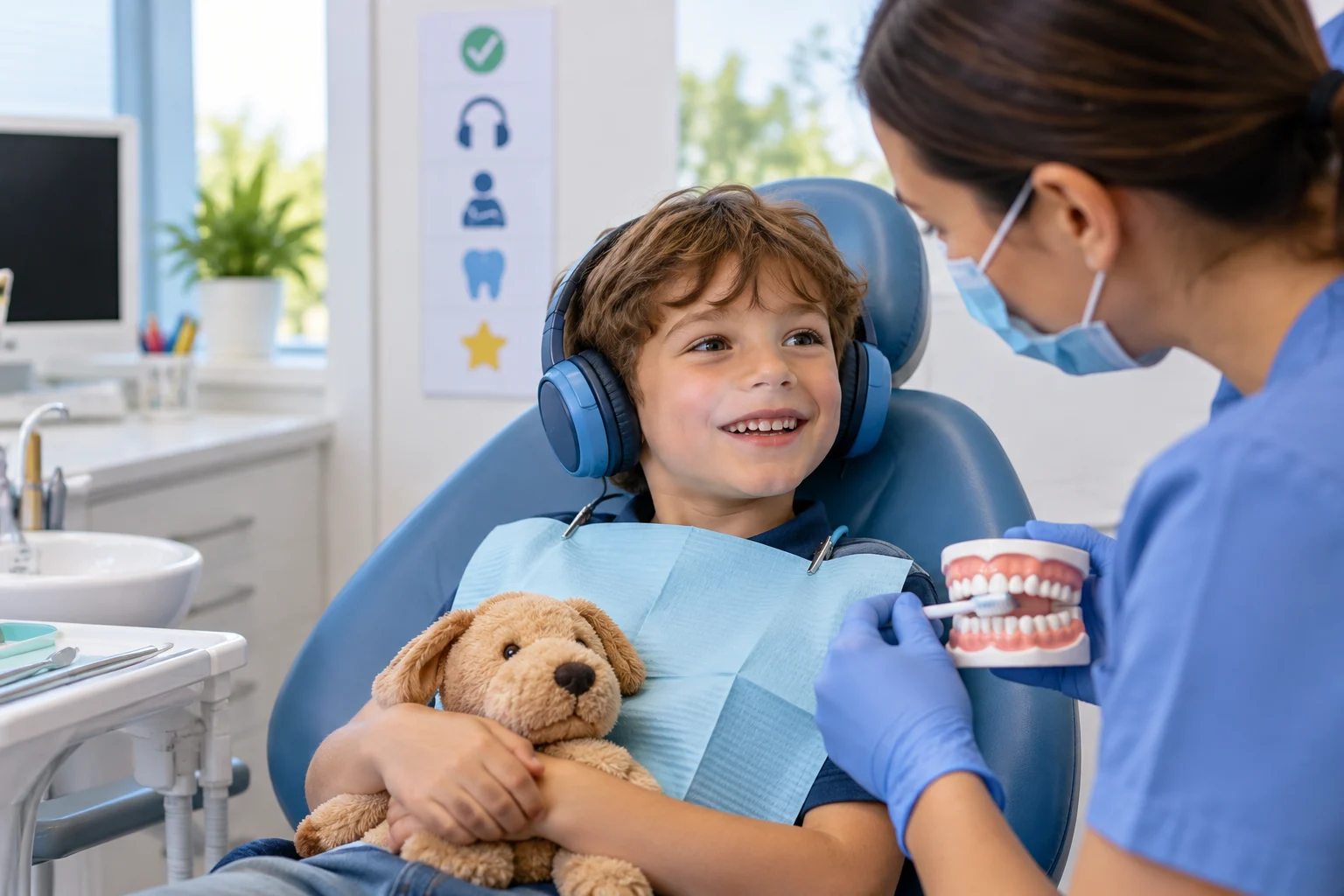
Dental Care Tips for Children With ADHD: A Parent Guide
Looking for dental care tips for children with ADHD? Discover practical strategies for brushing, dentist visits, and building calmer oral care routines.
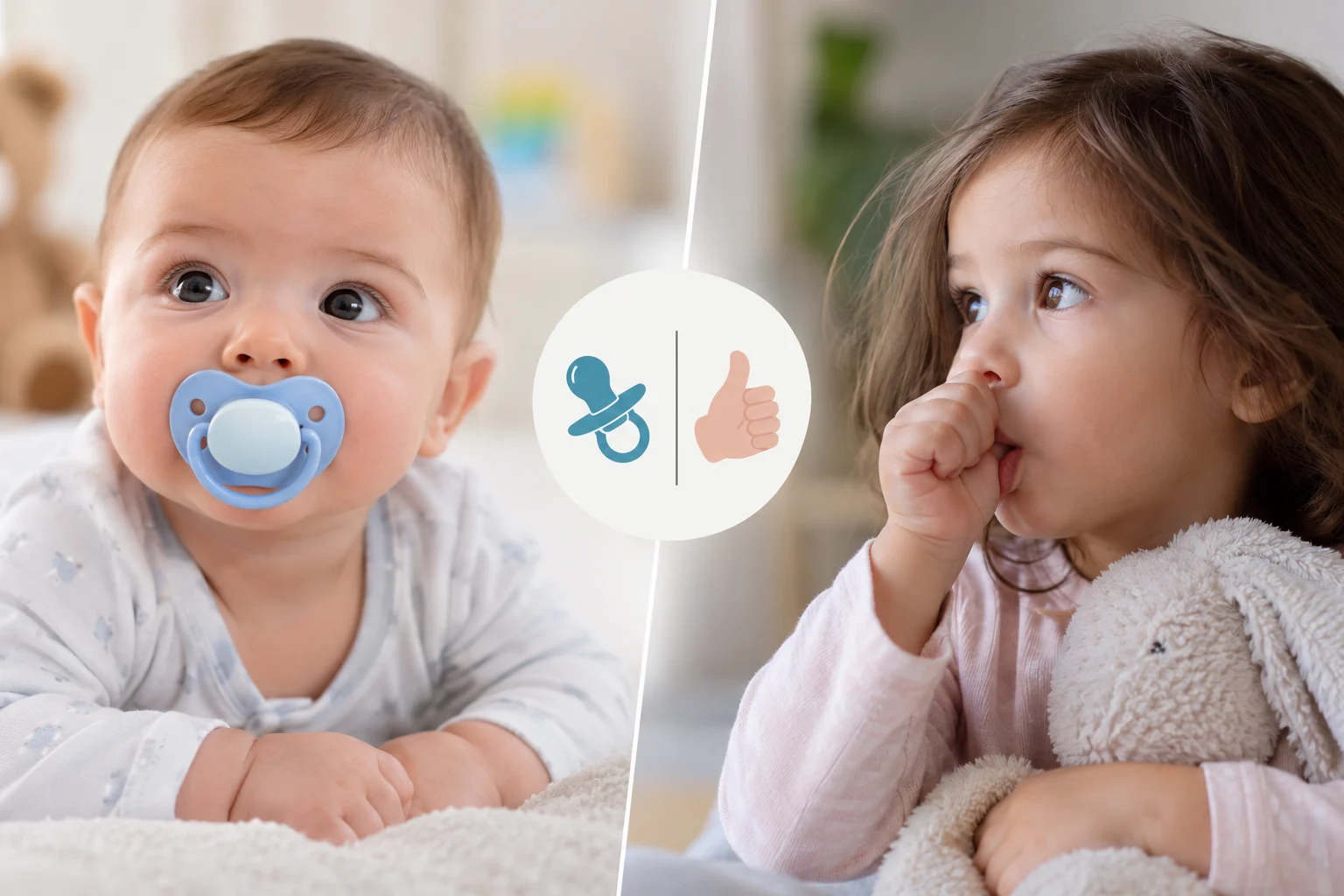
Pacifiers vs Thumb Sucking: When to Stop for Healthy Teeth
Learn when to stop pacifiers vs thumb sucking, how these habits affect teeth and jaw development, and gentle ways to help your child break the habit.