
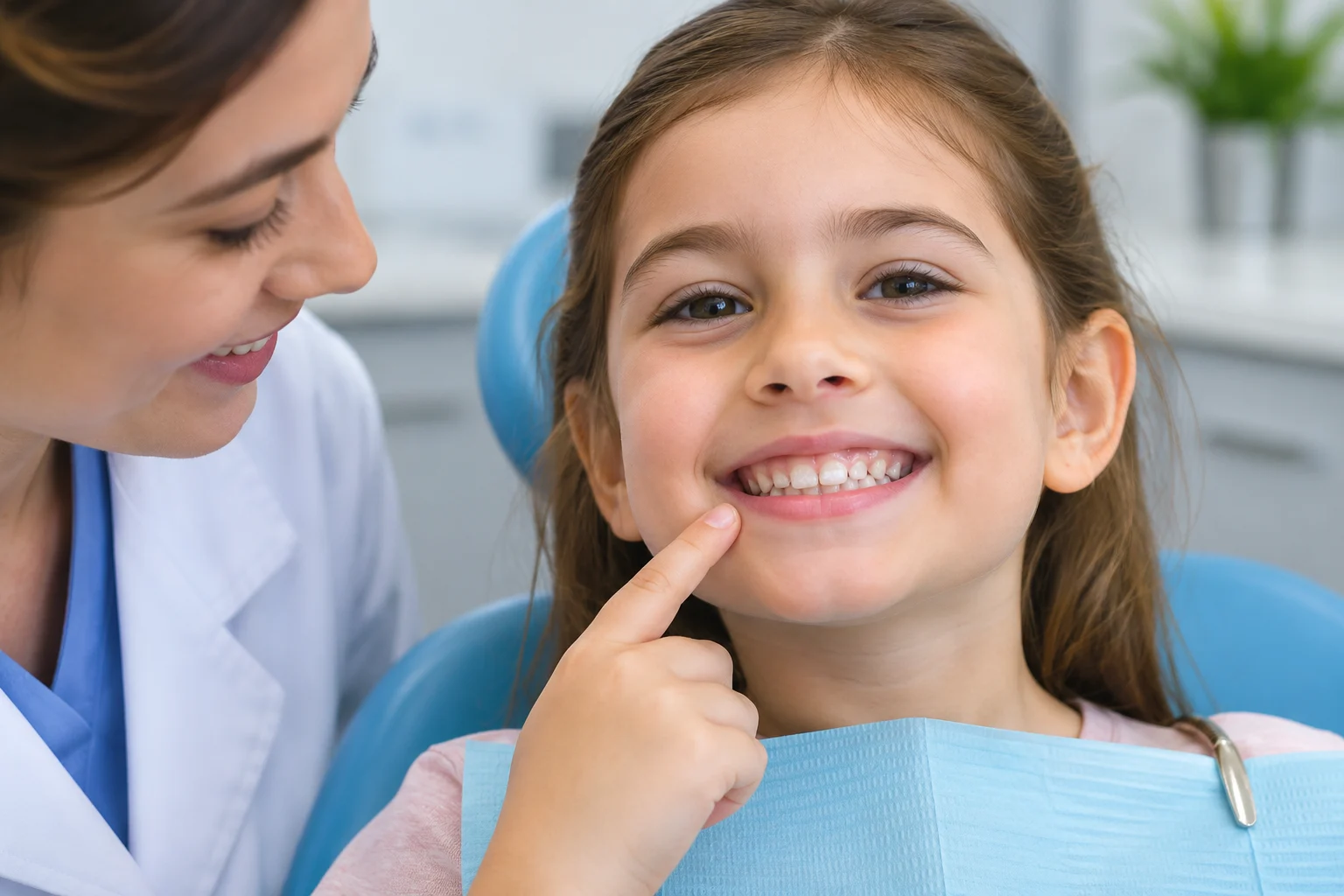
You are brushing your child's teeth one evening, or looking at a school photo, and you spot a chalky white patch that was not there before. It is natural to wonder what it is, whether it is serious, and whether you did something wrong. Take a breath. White spots on children's teeth are common, and most of the time a simple dental visit is enough to find out what is behind them.
The short answer is that white spots usually trace back to one of three things: early enamel breakdown from plaque, enamel that formed differently (including fluorosis), or an illness or injury that affected the tooth while it was developing. Only a dentist can tell which one it is, and the right next step depends on the cause. Below you will find the common reasons, the signs worth watching, and gentle steps you can take at home. If you are looking for a pediatric dentist in Marlboro, NJ, you will also find what to expect at an appointment.
What Do White Spots on Children's Teeth Mean?
A white spot is an area of enamel that looks different from the tooth around it. Healthy enamel is smooth, shiny, and slightly translucent. Where the enamel has less mineral content, or formed differently, it can look chalky, dull, or opaque white.
There is no single explanation. White spots can be an early sign of enamel changes caused by plaque, a result of how the tooth developed, or something else entirely. Because different causes can look alike, it is hard to name the cause by eye. A dentist can examine the tooth, ask about your child's history, and explain what is going on.
What Causes White Spots on Kids' Teeth?
These are the reasons parents and dentists talk about most often.
- Early enamel changes from plaque: When plaque stays on the teeth, the acids it produces pull minerals out of the enamel. This can leave a chalky white area, often near the gumline. Dentists call it early demineralization, and it can be a first step toward a cavity if it is not addressed. If you would like the full picture, read about what causes cavities in kids.
- Fluorosis: Too much fluoride while teeth are forming under the gums, often from swallowing toothpaste or from several fluoride sources at once, can leave faint white lines or flecks. Fluorosis is generally a cosmetic concern rather than a health problem, and it is one reason the right amount of toothpaste for your child's age matters.
- Enamel that developed differently: Sometimes enamel does not form with its usual mineral structure. It can show up as white, cream, or yellow brown patches, often on matching teeth. Some children have changes like this on their first permanent molars and front teeth, a pattern dentists call molar incisor hypomineralization.
- Braces or orthodontic appliances: Brackets and wires make it harder to clean around teeth, and white spots can appear around them when plaque builds up.
- Illness or early life events: Fevers, certain illnesses, nutritional factors, or being born early can sometimes affect how enamel develops.
- Injury to a baby tooth: A hard bump to a baby tooth can occasionally affect the permanent tooth forming underneath it.
- Mouth breathing and dry mouth: Teeth that are often dry may be more prone to changes, particularly the front teeth.
Many children have one or more of these factors, and none of them means a parent did something wrong.
Are White Spots on Teeth a Sign of a Cavity?
Sometimes, but not always. A white spot caused by plaque is early mineral loss, and it is often the first visible sign that a cavity could form. It is one of the early signs of tooth decay in children, and caught at this stage there is a real chance to help the area strengthen before it becomes a hole that needs a filling.
Spots caused by how the enamel formed, including fluorosis, are not decay. Those teeth can still be more sensitive or wear down more easily, though, which is why a dentist should take a look. A quick exam, and sometimes X rays, can tell the difference.
When Should You Have White Spots Checked by a Pediatric Dentist?
Mention any new spot at your child's next appointment, and call sooner if you notice any of the following.
- A spot that is changing: It looks larger, darker, or rougher over time.
- Sensitivity: Your child flinches with cold, sweets, or brushing in that area.
- A rough or pitted surface: The enamel feels uneven or looks like it is breaking down.
- Spots near braces: White patches around brackets are worth showing your orthodontist or dentist.
- Several spots on several teeth: Patterns across the mouth give your dentist useful clues.
A visit does not need to feel urgent or stressful. Many white spots can be monitored or managed with simple steps, and an early look gives you peace of mind. If you are searching for a pediatric dentist in Marlboro, NJ, a consultation can help you understand what you are seeing and what, if anything, to do next.
How Do Pediatric Dentists Evaluate White Spots?
Evaluation usually starts with a conversation. Your dentist may ask when you first noticed the spot, whether your child has had illnesses or injuries, and what daily brushing and snacking look like. Then they look closely at the tooth, often drying it gently so the spot is easier to see, and may take X rays to check beneath the surface.
From there, your dentist can explain what is likely causing the spot and suggest a plan. In many cases the plan is simple: better cleaning around the area, a few changes to habits, and regular monitoring.
What Can Parents Do at Home to Support Healthy Enamel?
Small, gentle habits add up, and none of them requires perfection.
- Brush twice a day: Use a soft toothbrush and the right amount of toothpaste for your child's age, paying extra attention to the gumline where plaque collects.
- Help with brushing: Many children need a hand until around age 7 or 8, since their dexterity is still developing.
- Clean between teeth: Flossing once teeth touch removes plaque a toothbrush cannot reach.
- Be mindful of sugary drinks and snacks: Frequent sipping of juice or sweet drinks keeps teeth in contact with sugar for longer. Water between meals is a friendly alternative.
- Keep bedtime bottles and sippy cups to water only: Sugars that sit on the teeth overnight can contribute to enamel changes, as explained in our post on baby bottle tooth decay.
- Do not scrub harder: A gentle technique protects enamel and gums. Pressing harder does not clean better.
- Keep regular dental visits: Checkups every six months, or as your dentist recommends, are part of preventive dentistry and help catch changes early.
If your child has braces, ask the orthodontist about interdental brushes or a water flosser to make cleaning around brackets easier.
What Treatment Options May Be Available for White Spots on Teeth?
The right approach depends on the cause, your child's age, and how the spot looks and feels. A pediatric dentist may talk about options like these.
- Watching and monitoring: Some spots can simply be observed over time while home care improves.
- Enamel supporting strategies: Your dentist may suggest professional or at home products that help strengthen enamel. Our post on restoring enamel in kids explains how early weakness can sometimes be supported.
- Dental sealants: Thin protective coatings on the chewing surfaces of back teeth can shield deep grooves from plaque. Learn more about dental sealants.
- Silver diamine fluoride: If a cavity has already started, silver diamine fluoride can help stop it from progressing without drilling, though treated areas darken.
- Resin infiltration or bonding: For some spots, especially in older children, a dentist may use tooth colored material to blend or protect the area.
- Restorations: If decay has progressed into a cavity, a filling or other restoration may be recommended.
Your dentist will go through what makes sense and what to expect, and you are always welcome to ask questions before deciding.
Concerned About White Spots? See a Pediatric Dentist in Marlboro, NJ at Polished Pediatric Dentistry
Spotting something new on your child's teeth can feel worrying, but you do not have to figure it out alone. At Polished Pediatric Dentistry, Dr. Dinah Jammal and our team will take a close look, explain what we see in plain language, and talk through next steps with you. We welcome families from Marlboro, Manalapan, Colts Neck, Matawan, Holmdel, Old Bridge, East Brunswick, Howell, Morganville, and throughout Monmouth County, NJ. Schedule a visit or call (732) 226-1995 to get answers about the white spots on your child's teeth.
White Spots on Children's Teeth FAQs
Are white spots on my child's teeth normal?
They are common, and there are many possible causes. Some are linked to plaque, while others come from how the enamel developed, such as fluorosis. A dentist can tell you which applies to your child.
Can white spots go away on their own?
Some early spots improve with good brushing and healthier habits, while others, especially those related to enamel development, tend to stay. Your dentist can explain what to expect for your child's teeth.
Do white spots mean my child has cavities?
Not necessarily. A white spot can be an early sign of enamel breakdown, but it may also be unrelated to decay. An exam helps sort this out.
Will whitening toothpaste remove white spots?
Whitening products mostly target surface stains and generally do not fix white spots. Some can also be too abrasive for children, so ask your dentist before trying one.
Are white spots from fluorosis harmful?
Fluorosis is generally considered a cosmetic concern and not a threat to your child's health. A dentist can confirm whether fluorosis is the cause and talk through options if the spots bother your child.
Should I wait for the next checkup if I notice a white spot?
You can bring it up at the next routine visit, but call sooner if the spot is growing, darkening, rough, or causing sensitivity. There is no need to wait if you are worried.
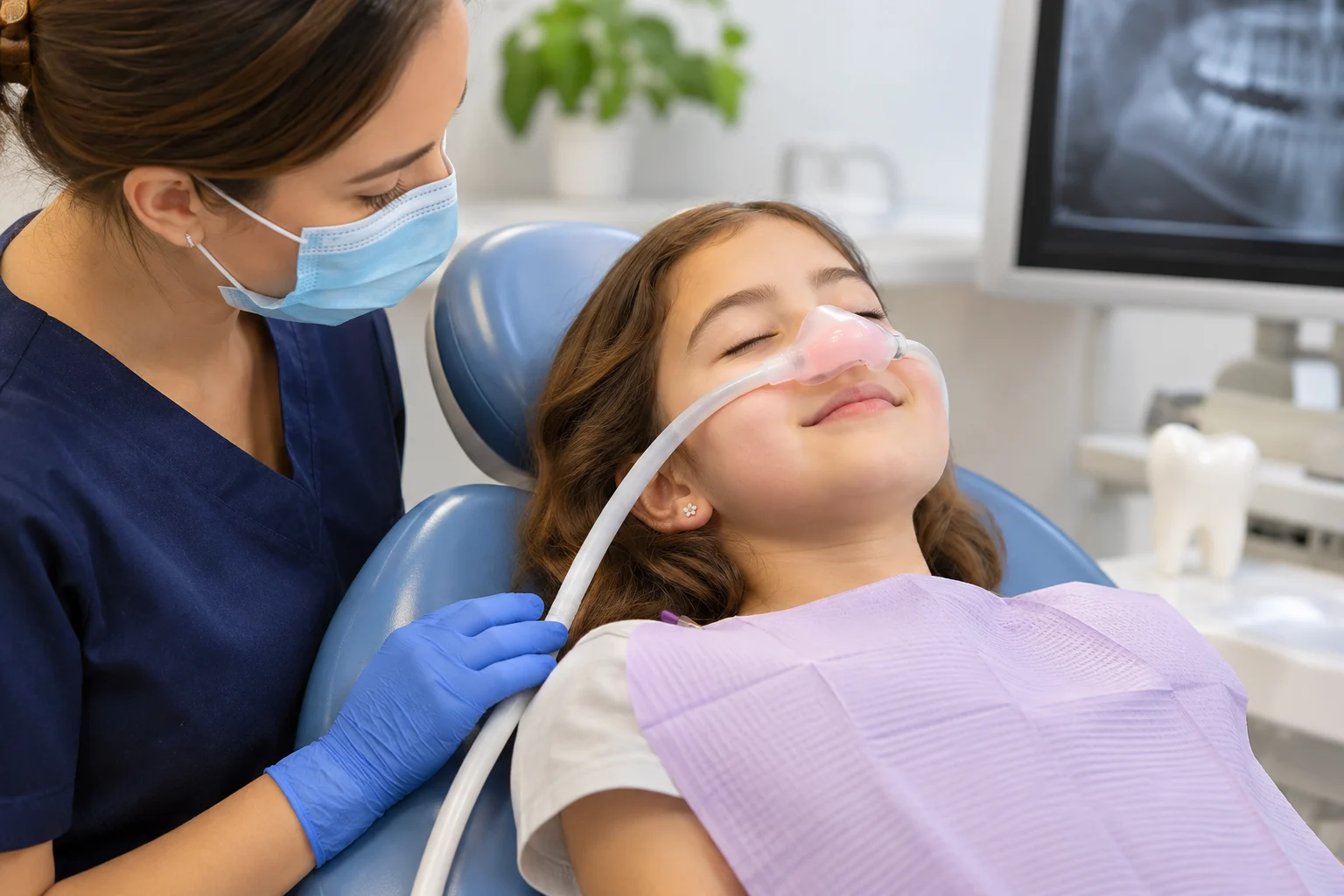
Does Dental Insurance Cover Sedation for Kids?
Does dental insurance cover sedation for kids? See how coverage usually works, what to ask your insurer, and ways to plan for the cost.
White Spots on Children's Teeth: Causes and Next Steps
Noticing white spots on your child's teeth? Learn the common causes, from early enamel changes to fluorosis, and when to see a pediatric dentist.
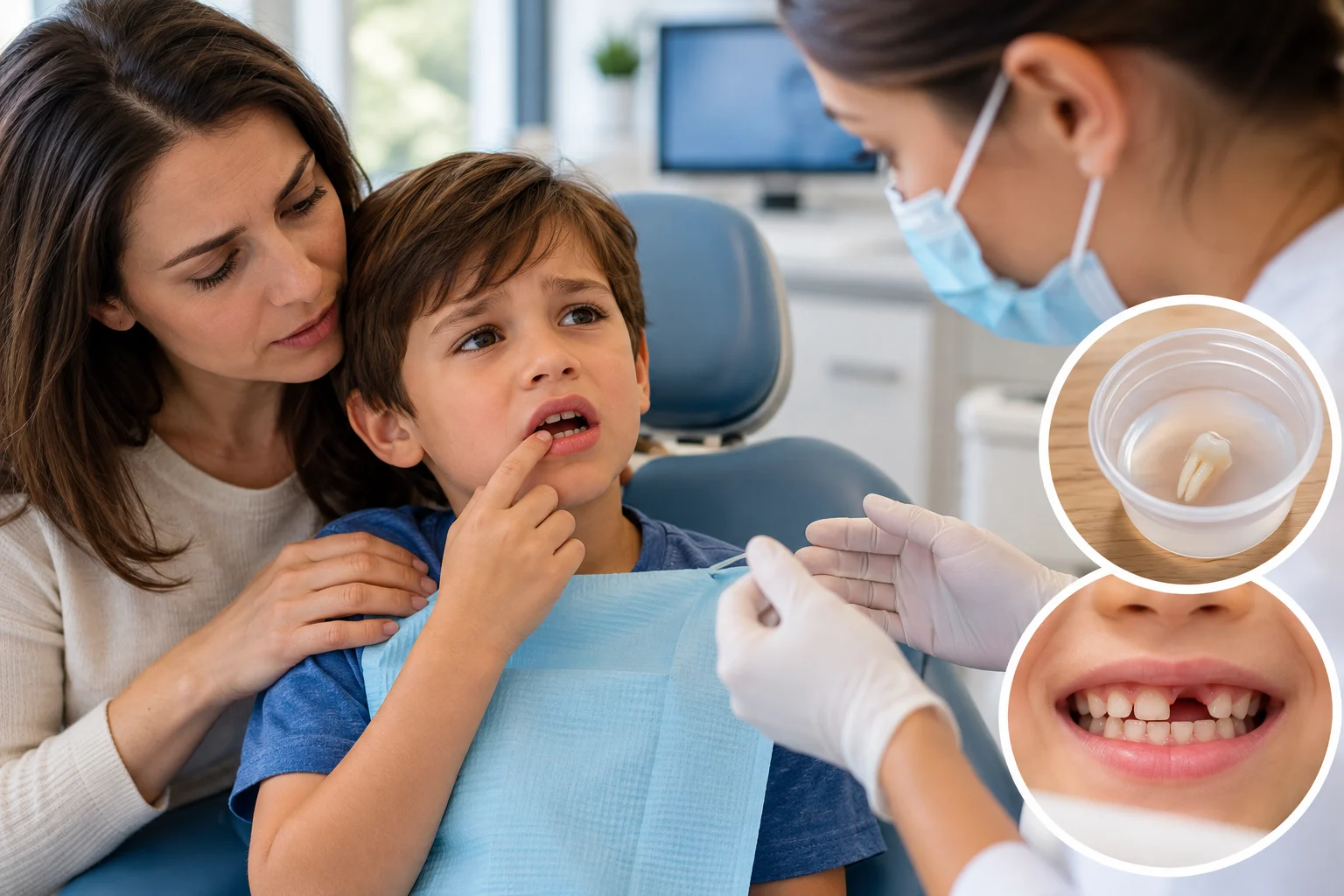
My Child Knocked Out a Tooth: Emergency Steps for Parents
Learn what to do if your child knocked out a tooth. Follow essential first-aid steps for baby teeth and permanent teeth to protect your child's smile.