

If brushing time at your house sounds like a negotiation, a wrestling match, or a very loud protest, you are far from alone. When a toddler refuses to brush their teeth, it can leave even the most patient parent feeling stuck. You know teeth matter, but you also do not want every evening to end in tears, theirs or yours.
The short answer: toddlers usually resist brushing because of big feelings, sensory discomfort, or plain tiredness, and it tends to ease with a calm routine, a little choice, and a playful approach. Below you will find the common reasons toddlers push back, practical toddler brushing tips, positioning ideas for a child who will not open up, and when to bring it up with a pediatric dentist.
Why Does My Toddler Refuse to Brush Their Teeth?
Before trying new tricks, it helps to understand what might be going on. Toddlers are in a stage of big feelings and growing independence, and a toothbrush can feel like one more thing they have no say about. Here are a few common reasons children resist.
- A need for control: Toddlers are learning that they can say no, and brushing is an easy place to practice it.
- Sensory discomfort: The bristles, the taste of toothpaste, the foam, or the feeling of something in the mouth can be bothersome for some children.
- Tiredness or hunger: Brushing at the end of a long day, when everyone is worn out, can make resistance more likely.
- Not understanding why: A toddler does not yet connect brushing with healthy teeth later on.
- Sore gums: If new teeth are coming in, the mouth may feel tender.
- Changes in routine: Travel, a new sibling, or a change in schedule can make familiar habits harder.
None of this means you are doing anything wrong. Resistance is often a normal part of toddler development, and it usually responds well to patience and consistency.
How Can You Make Toothbrushing Easier for a Toddler?
Here are some practical ideas that many parents find helpful. You do not need to try them all. Pick one or two and see how things go.
- Let them choose: Offer a small choice, such as which toothbrush or which cup to use. Having a say can soften resistance.
- Make it playful: Sing a short song, use a silly voice, or pretend you are searching for sugar bugs. A little humor can lighten the mood.
- Brush together: Toddlers love to copy. Brush your teeth side by side so they can watch you and join in.
- Let them practice first: Give your toddler a turn to hold the brush and explore, then take a turn to do the thorough cleaning.
- Use a timer or a song: A short song or a sand timer gives brushing a clear beginning and end.
- Try a different toothbrush: Some children prefer a softer brush, a smaller head, or a handle that is easier to hold.
- Offer a gentle, mild toothpaste: If flavor is the problem, try a milder option, or ask your dentist what they recommend for your child.
If your toddler is tired of the same routine, changing small things can make it feel new again.
What Is the Best Way to Brush a Toddler's Teeth if They Will Not Open Up?
Sometimes the main hurdle is simply getting the brush into the mouth. A few positioning ideas can help.
- Knee-to-knee position: Sit facing another adult with your knees touching, and lay your toddler's head in your lap while you brush. This keeps them steady and lets you see inside.
- Standing behind them: Stand behind your toddler in front of a mirror, cupping their chin gently to support the head.
- Lay them on a changing mat or bed: Some toddlers feel more secure lying down.
- Start small: If a full brushing is too much, begin with the front teeth and build up over days or weeks.
Use a soft toothbrush with a small head, and keep your touch light. For children under 3, use only a small smear of toothpaste, about the size of a grain of rice. Quick, gentle strokes are fine. A shorter brushing that happens regularly is often easier to keep up than a long one that ends in a battle.
What if Your Toddler Wants to Brush Alone?
Many toddlers insist on doing it themselves, and that independence is worth encouraging. Let them take a turn holding the brush and exploring, then say something like, "Now it is my turn to get the hard-to-reach spots." Toddlers typically do not have the coordination to clean thoroughly on their own, so an adult usually needs to finish the job. Dental organizations generally suggest that children need help with brushing until they have the dexterity to do it well, often around age 7 or 8.
Framing brushing as teamwork instead of a battle can reduce the power struggle. You are not taking over, you are helping.
How Can You Build a Brushing Routine That Sticks?
Consistency tends to matter more than perfection. A predictable routine can help a toddler know what to expect, which reduces resistance.
- Brush at the same times each day: Morning and before bed work well for many families.
- Link brushing to something familiar: Do it right after a bath or before a bedtime story, so it becomes part of a pattern.
- Keep the mood light: Staying calm, even when it is hard, helps your toddler stay calm too.
- Use a visual chart: A simple sticker chart can add a little fun, and some children enjoy seeing their progress.
- Praise effort: A cheerful "well done" for opening wide or holding the brush can encourage cooperation.
- Do not skip bedtime brushing if you can help it: Cleaning before sleep removes food and sugars that would otherwise sit on the teeth overnight.
If a day goes badly, simply try again the next day. One rough night is not a failure.
Are There Other Ways to Care for Teeth When Brushing Is Really Hard?
On the toughest days, it helps to know you have options. While nothing fully replaces brushing, a few habits can help prevent cavities in the meantime.
- Offer water after meals and snacks: A few sips can help rinse away food particles.
- Wipe teeth with a soft, damp cloth: If a brush is not working, a cloth or gauze can help remove plaque near the gumline.
- Limit sugary drinks and sticky snacks: Juice, sweet drinks, and gummy snacks cling to teeth, so saving them for mealtimes may help.
- Avoid bedtime bottles with anything other than water: Milk or juice that sits on the teeth overnight can lead to baby bottle tooth decay.
- Keep dental checkups on the calendar: Regular pediatric dental cleanings let your dentist look at your toddler's teeth, answer questions, and offer tips tailored to your child.
These are stopgaps, not replacements. The goal is to return to regular brushing, even if it takes time.
When Should You Talk to a Pediatric Dentist About Brushing Struggles?
It is a great idea to bring up brushing difficulties at your child's dental visits. A pediatric dentist can look at your toddler's teeth, watch how they respond, and share ideas based on their age and temperament. If your child seems very sensitive to touch or textures, or if brushing has become a constant source of distress, it may be worth discussing with your dentist and your child's pediatrician.
Dental organizations generally recommend a first visit by the first birthday. If your toddler has not been yet, it is never too late to start.
Brushing Struggles? Talk With a Pediatric Dentist in Marlboro, NJ at Polished Pediatric Dentistry
If your toddler refuses to brush their teeth, you are not alone, and you do not have to work through it by yourself. At Polished Pediatric Dentistry, Dr. Dinah Jammal and our team are happy to talk through your questions, look at your child's teeth, and share ideas that may help brushing feel easier at home. If you are looking for a pediatric dentist in Marlboro, NJ, we welcome families from Marlboro, Manalapan, Colts Neck, Matawan, Holmdel, Old Bridge, East Brunswick, Howell, Morganville, and throughout Monmouth County, NJ. Schedule a visit or call (732) 226-1995 to get support with your toddler's brushing routine.
Toddler Brushing FAQs
At what age should toddlers start brushing their teeth?
Brushing can begin as soon as the first tooth appears. Before that, wiping the gums with a soft, damp cloth is a gentle way to start.
How much toothpaste should a toddler use?
For children under 3, dental guidelines generally suggest a very small smear, about the size of a grain of rice. Your dentist can confirm what is appropriate for your child.
How often and how long should I brush my toddler's teeth?
Twice a day, morning and before bed, is the usual recommendation. Many dental organizations suggest working up to about two minutes, but while your toddler is still resisting, a shorter, calm brushing that actually happens is better than a long one that ends in a battle.
Is it okay to skip brushing if my toddler is fighting me?
An occasional skipped night happens in many homes, but regular brushing is important. If you are struggling, try a different approach, a shorter routine, or ask your dentist for ideas.
Should I let my toddler brush by themselves?
Let them practice, but an adult usually needs to do the thorough cleaning, since toddlers cannot yet brush effectively on their own.
Does it matter if my toddler swallows a little toothpaste?
Toddlers often swallow some, which is why a small smear is recommended. Ask your dentist for guidance specific to your child.
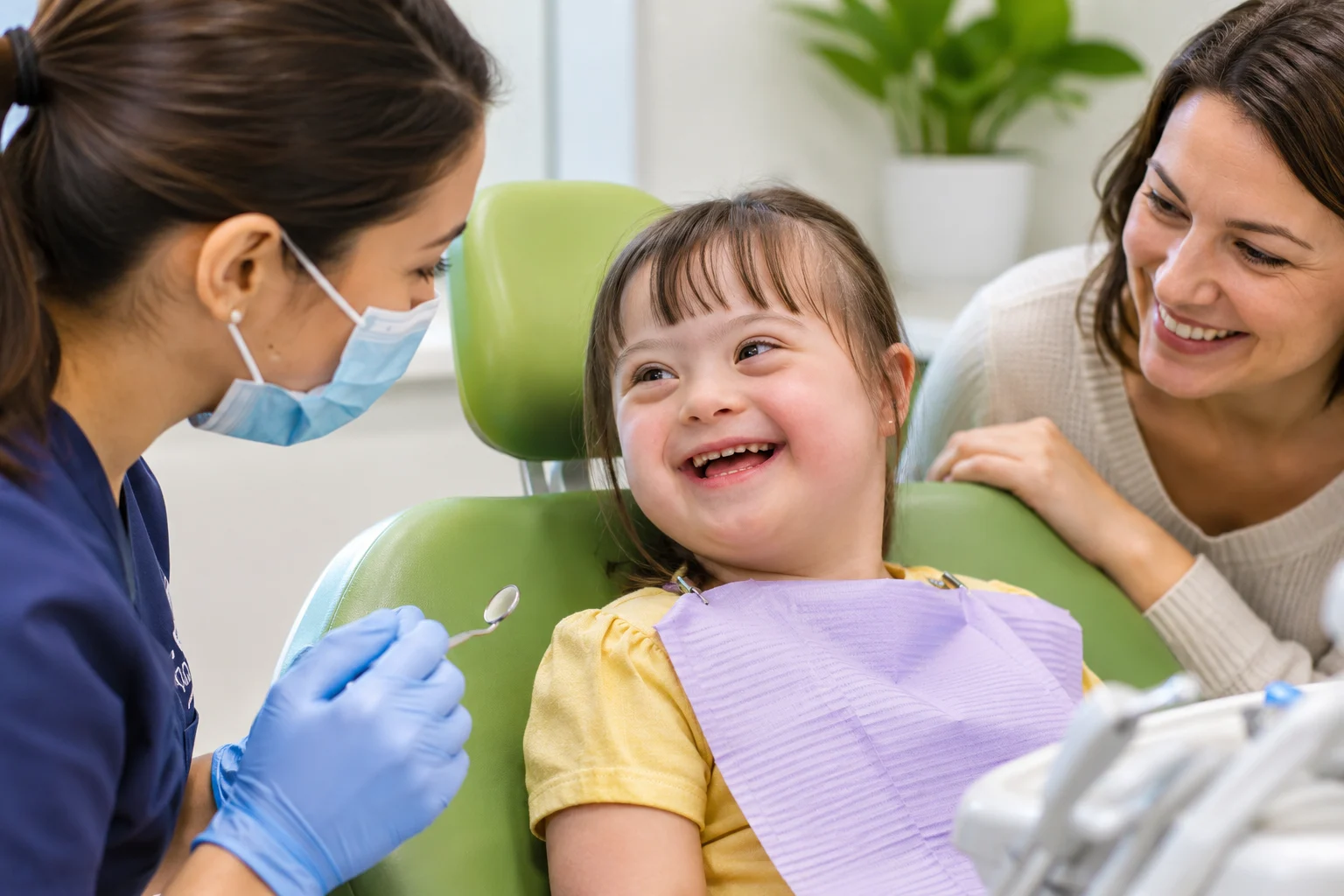
Dental Care for Kids With Down Syndrome: What to Expect
Dental care for children with Down syndrome, made simpler. See what parents may notice, how to prepare for visits, and easy brushing tips.
Toddler Refuses to Brush Their Teeth? Try These Calm Fixes
Toddler refusing to brush their teeth? Try these gentle, practical ideas, from turning brushing into play to building a simple, steady routine.
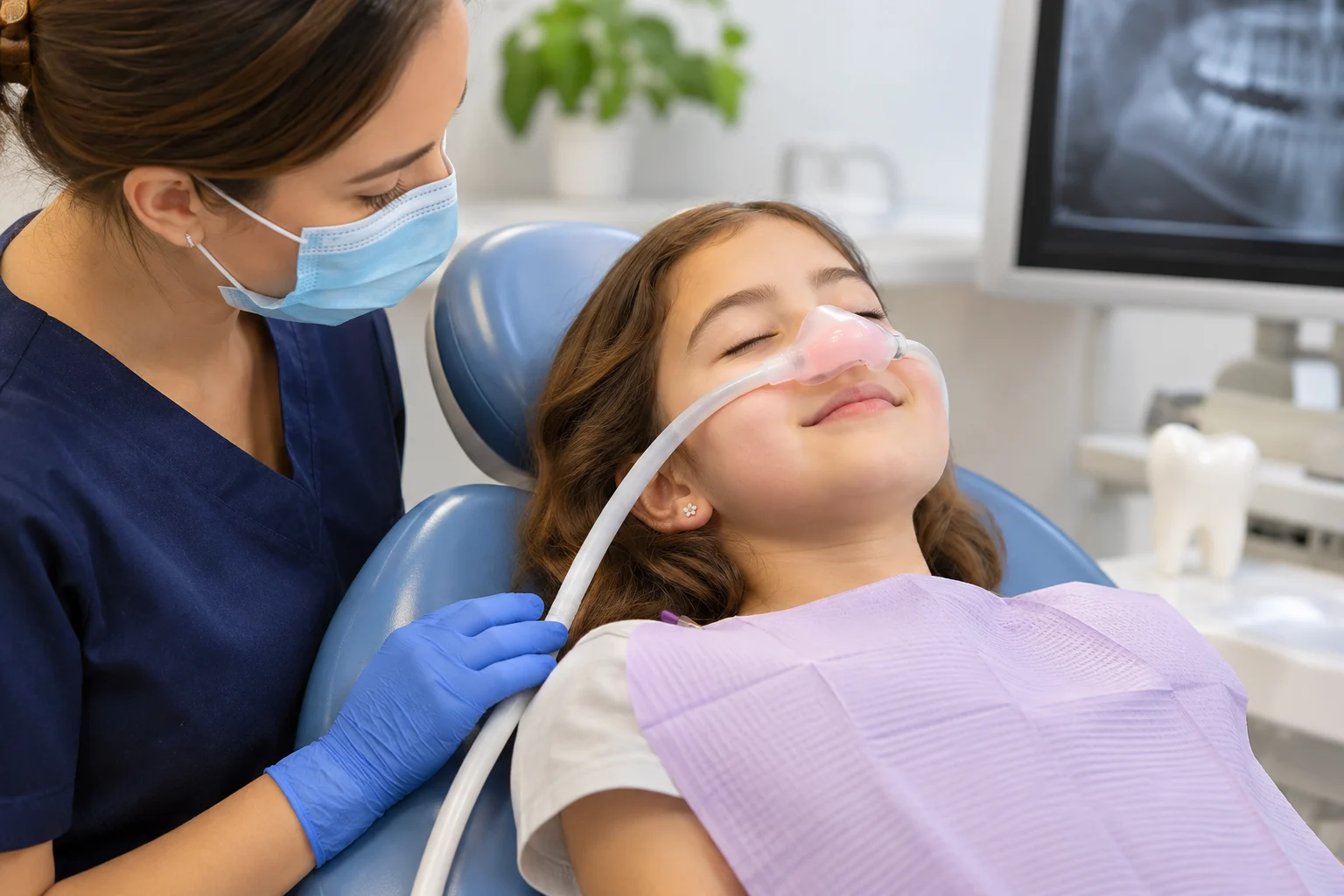
Does Dental Insurance Cover Sedation for Kids?
Does dental insurance cover sedation for kids? See how coverage usually works, what to ask your insurer, and ways to plan for the cost.