
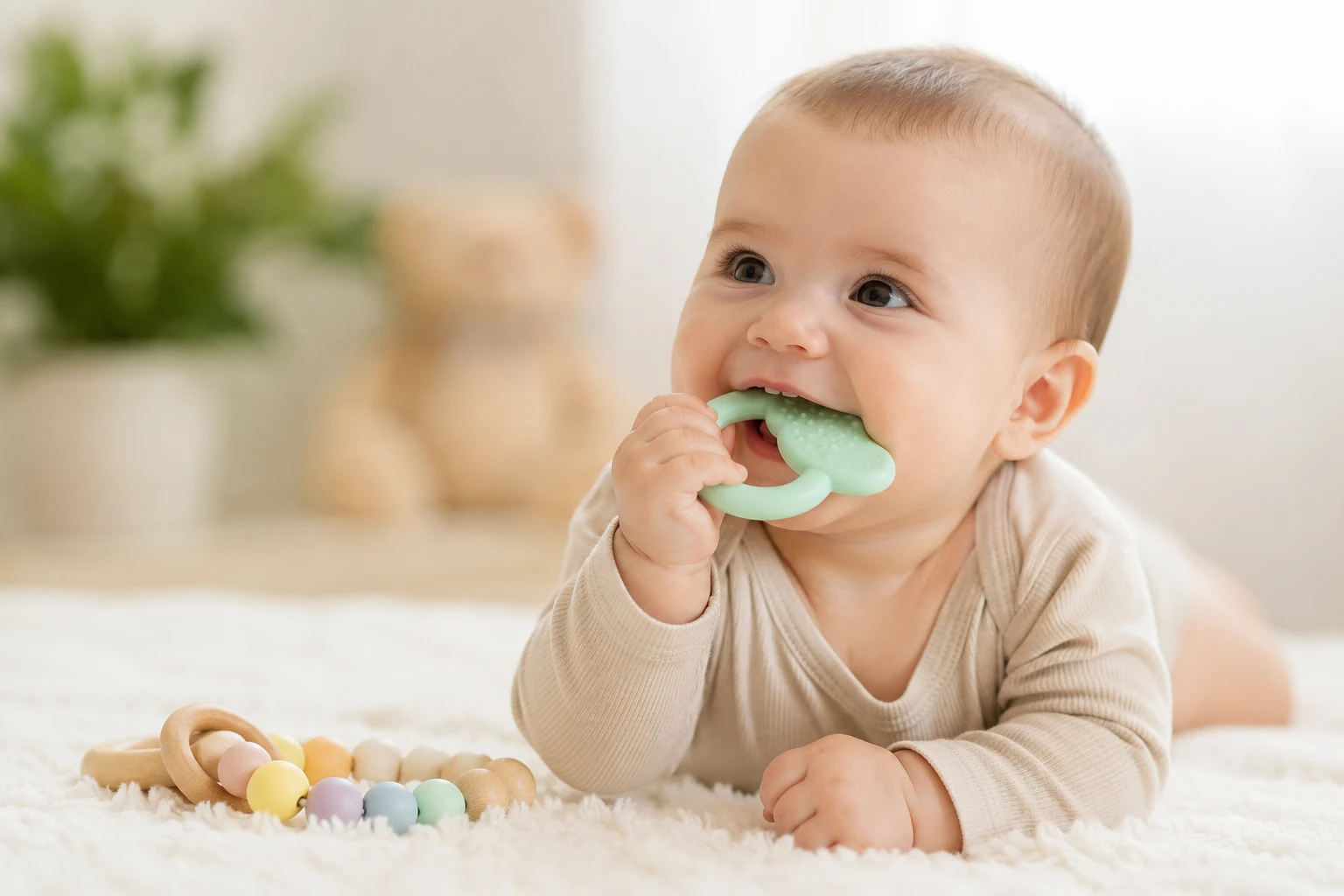
Every parent hits this moment. You're staring at your fussy, drooling baby at 2 a.m., wondering if it's teething, a growth spurt, or something else entirely. Truth is, there's no single "right" way teething looks. How you respond depends on a few things: your baby's age, the specific symptoms showing up, and how your baby personally handles discomfort in general. Some babies breeze through teething without so much as a whimper. Others struggle with every single tooth like it's a personal attack. Figuring out which camp your little one falls into (and what actually helps) starts with understanding the general baby teeth timeline and learning to read your own kid's cues.
At Polished Pediatric Dentistry, we talk with parents in Marlboro, NJ, about teething concerns almost every day. This guide walks through what a typical teething timeline looks like, how to tell teething apart from other issues, and how to pick soothing methods that actually fit your baby's needs.
Understanding the Baby Teeth Timeline: A Guide for Parents
No two babies are exactly alike. But there is a general pattern most kids follow, and knowing this milk teeth timeline can help you figure out whether what you're seeing lines up with typical development, or whether it's worth a call to your pediatric dentist. Learning about infant dentistry can also help parents understand what dental care should look like during these early stages.
The General Baby Teething Timeline
Most babies get their first tooth somewhere between 4 and 7 months old. It's completely normal for teeth to show up earlier or later than that, too. The lower front teeth (central incisors) usually arrive first, followed by the upper front teeth. From there, teeth tend to come in pairs, working their way toward the back of the mouth.
By around 12 months, many babies have 6 to 8 teeth. By age 2 to 3, most kids have their full set of 20 primary teeth. This teething timeline isn't a strict rulebook, though. It's more of a general roadmap. Some babies get their first tooth at 3 months. Others don't get one until closer to their first birthday. Both are entirely normal.
Why Baby Teething Timelines Vary Between Children
Genetics play a bigger role than most people realize. If you or your partner got teeth early, or late, as babies, there's a good chance your child follows a similar pattern. Premature birth can shift the timeline slightly later, too. None of this means anything is wrong. It's just a reminder that "average" doesn't mean "required."
How to Tell If Your Baby Is Teething: Common Signs and Symptoms
This is where decision-making gets tricky. Fussiness, disrupted sleep, and drooling can point to teething. But they can also point to an ear infection, a cold, or something else going on entirely. Here's how to sort through it.
Common Signs Your Baby Is Cutting Teeth
Increased drooling, gum swelling, chewing on hands or toys, mild irritability, and disrupted sleep are all common. Some babies get a mild rash around the mouth from excess drool. Others just seem to want to chew on everything within reach. Parents can also learn more about choosing appropriate infant toothbrushes as soon as their baby's first teeth begin appearing.
When Baby Symptoms May Be Something Other Than Teething
High fever, persistent diarrhea, vomiting, or a rash that spreads past the chin and mouth area typically aren't caused by teething. If your baby has a fever over 100.4°F, that's a separate issue and worth a call to your pediatrician. Teething can cause a mild bump in temperature, but it shouldn't cause a true fever. Sound familiar? Knowing this distinction helps you figure out whether you're dealing with normal teething discomfort or something that needs medical attention.
How to Soothe a Teething Baby: Choosing the Right Method
Not every soothing method works for every baby. That's the part parents find frustrating, honestly. What calms one baby down might do absolutely nothing for another. Instead of guessing, think through a few things: your baby's age, how they like to self-soothe, and what's actually causing the discomfort in the moment.
Teething Relief for Babies Who Like to Chew
Teething rings, chilled (not frozen) washcloths, and silicone teethers tend to work well for babies who naturally want to gnaw on things. The gentle pressure and cool temperature ease gum inflammation. Skip anything frozen solid. It can be too harsh on sensitive gums.
Teething Comfort for Babies Who Need Gentle Pressure
Some babies respond better to a clean finger, gently rubbed along the gums. This works especially well for younger infants who aren't coordinated enough yet to hold a teether steady.
Helping Babies With Extra Teething Discomfort
If your baby seems particularly uncomfortable, talk to your pediatrician or pediatric dentist about pain relief options that actually make sense for an infant. Topical numbing gels with benzocaine aren't recommended for babies. So it's worth getting professional guidance instead of relying on general advice from family or friends, however well-meaning.
Supporting Baby Sleep During Teething
A slightly cooler teething ring before bed. A consistent bedtime routine. A little extra comfort during night wakings. All of it helps. Sleep disruption during teething is usually temporary, even when it doesn't feel that way at 3 a.m. If nighttime discomfort is making things especially difficult, these tips for helping a teething baby sleep can provide additional ideas for creating a more comfortable bedtime routine.
Caring for Your Baby's First Teeth After They Erupt
Once that first tooth breaks through, it's time to start a simple oral care routine. Wipe the tooth with a soft, damp cloth, or use a baby-sized toothbrush with an age-appropriate toothpaste based on your dentist's recommendation. Starting this habit early sets the stage for good oral hygiene down the road. It also gives you a chance to catch anything unusual before it becomes a bigger deal. Regular preventive dental care for children can help maintain these healthy habits as your child grows.
Scheduling a first dental visit by your baby's first birthday, or within six months of their first tooth appearing, is generally the move. This early visit isn't about intensive treatment. It's about getting your child comfortable with the dental environment and catching any developmental concerns early, while they're still small and easy to fix. Parents who are preparing for this milestone can also review what to expect during a baby's first dental visit.
Ready to Schedule Your Baby’s First Dental Visit?
If you're in the thick of your baby's teething timeline and want some real, personalized guidance, the team at Polished Pediatric Dentistry is here to help. Whether you've got questions about soothing techniques, want to confirm your baby's teething is on track, or you're ready to schedule that first dental visit, our pediatric dentist in Marlboro, NJ, is happy to walk you through it. Reach out to our office today to schedule an appointment and get answers specific to your child.
Frequently Asked Questions About Baby Teething Timeline and Relief
Q: What is the average baby teething timeline?
A: Most babies get their first tooth between 4 and 7 months old, with the lower front teeth typically arriving first. By age 2 to 3, most children have all 20 primary teeth, though timing varies quite a bit from child to child.
Q: How long does teething discomfort usually last for each tooth?
A: Discomfort often shows up a few days before a tooth breaks through and eases up shortly after. Some babies feel it harder with molars, since those teeth are bigger and take more work to come in.
Q: Can teething cause a high fever?
A: Teething may cause a very slight rise in temperature, but it shouldn't cause a true fever over 100.4°F. If your baby has a genuine fever, check in with your pediatrician. It's likely unrelated to teething.
Q: What's the safest way to soothe a teething baby at night?
A: Chilled teething rings, gentle gum massage, and a consistent bedtime routine tend to help. Avoid frozen teethers or any numbing products not specifically approved for infants.
Q: When should my baby have their first dental visit?
A: Most pediatric dentists recommend scheduling a visit by your baby's first birthday or within six months of their first tooth coming in, whichever comes first.
What Is a Sensory Friendly Dental Visit? A Guide for Parents
Curious what a sensory friendly dental visit involves? Learn how a sensory friendly pediatric dentist adjusts sound, light and pacing for a calmer checkup.
Dental Care Tips for Children With ADHD: A Parent Guide
Looking for dental care tips for children with ADHD? Discover practical strategies for brushing, dentist visits, and building calmer oral care routines.
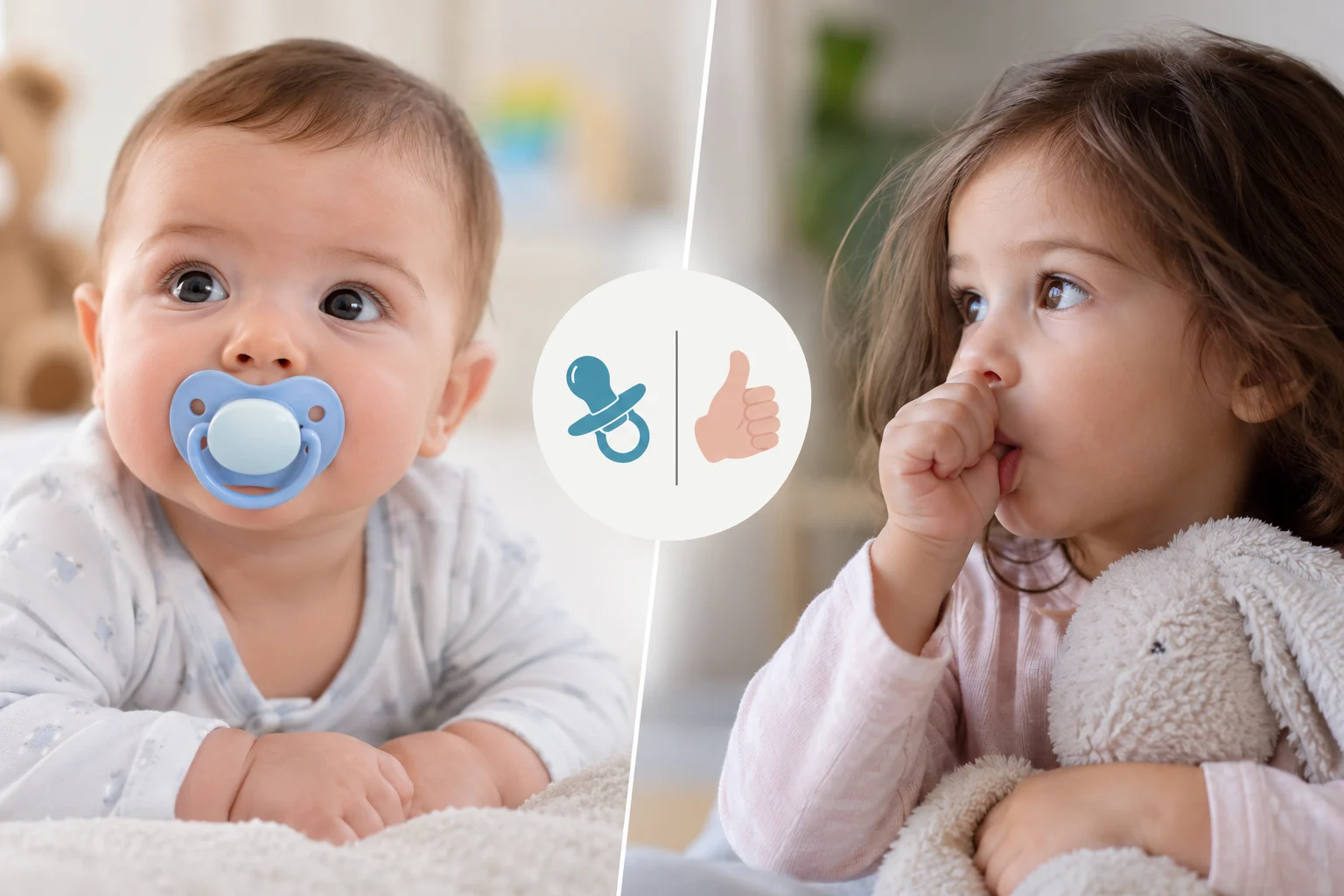
Pacifiers vs Thumb Sucking: When to Stop for Healthy Teeth
Learn when to stop pacifiers vs thumb sucking, how these habits affect teeth and jaw development, and gentle ways to help your child break the habit.