
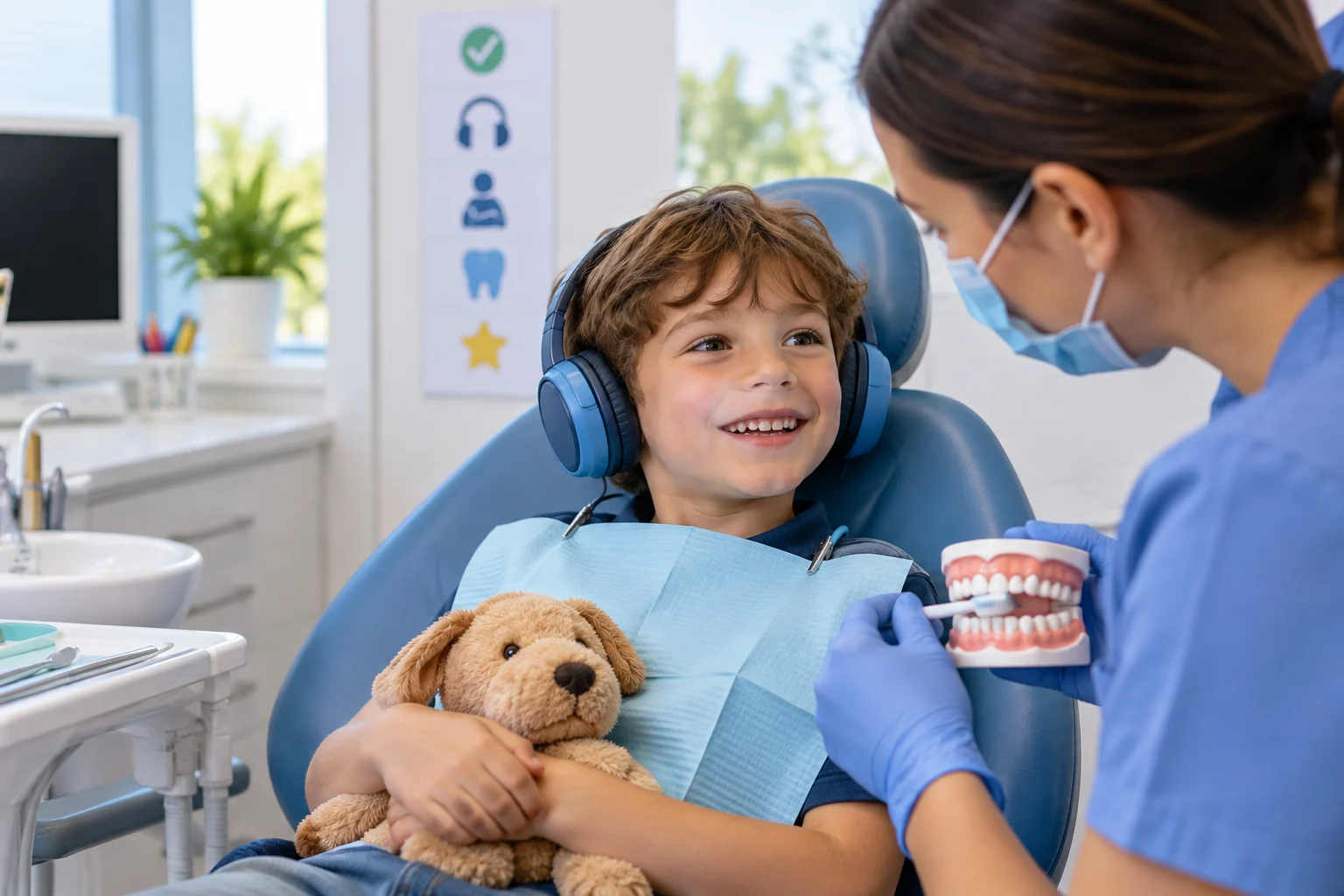
If getting your child to sit still for two minutes of brushing feels like negotiating a peace treaty, you are not doing anything wrong. Kids with ADHD often experience the world at a faster pace, with more distractions competing for their attention and less patience for repetitive tasks like brushing and flossing. Add in a dental office with bright lights, unfamiliar sounds, and a stranger asking them to open wide, and it is easy to see why dental care can feel like an uphill climb for these families.
The good news is that with a few adjustments, dental care for kids with ADHD does not have to be a daily battle or a source of dread before every checkup. At Polished Pediatric Dentistry, families bring up these challenges often, and there are real, practical strategies that make a noticeable difference at home and in the dental chair.
Why Dental Care Can Be Harder for Children with ADHD
Kids with ADHD frequently struggle with tasks that require sustained focus, and brushing teeth for a full two minutes twice a day fits squarely into that category. It is repetitive, it does not offer instant feedback, and it competes with a hundred more interesting things happening around them. Impulsivity can also play a role, with some children rushing through brushing just to be done with it rather than doing a thorough job.
Sensory sensitivities are common too, and parents of children with other neurodevelopmental differences often notice the same pattern. Our guide to dental care tips for children with autism covers several sensory strategies that overlap closely with what helps kids with ADHD. The taste and texture of toothpaste, the vibration of an electric toothbrush, or the feeling of floss between teeth can be genuinely uncomfortable for some kids, not just an excuse to avoid the task. Understanding that these reactions are real rather than defiance can shift how a parent approaches the whole routine, and it often reduces the frustration on both sides.
Dental Care Tips for Children with ADHD That Actually Work at Home
Building a routine that sticks starts with reducing friction wherever possible. Some approaches that tend to help include:
- Breaking brushing into smaller, timed segments rather than expecting one uninterrupted two-minute session, using a visual timer or a favorite short song.
- Offering choices where possible, such as picking between two toothbrush colors or two flavors of toothpaste, which can reduce power struggles and using the right amount of toothpaste matters too, so it helps to check our toothpaste amounts by age guide when you are stocking up.
- Using a consistent routine and schedule, since predictability tends to help children with ADHD transition between activities more smoothly.
- Trying an electric toothbrush with a timer function, which can make brushing feel more like a game and less like a chore.
- Pairing brushing with a preferred activity, like listening to a specific playlist, so the brain associates the task with something enjoyable.
- Using visual charts or reward systems for completing brushing and flossing, focusing on consistency over perfection, and staying ahead of cavity prevention in the process.
None of these strategies need to be used all at once. Trying one or two changes at a time and noticing what clicks for your particular child usually works better than overhauling the entire routine overnight.
What to Expect During Dentist Visits for Kids with ADHD
Dental visits bring their own set of challenges, but a little preparation goes a long way. Many dental teams that regularly see children with ADHD build in small adjustments, such as shorter appointment segments, clear step-by-step explanations of what is about to happen, and breaks if a child needs a moment to reset. The same accommodations covered in our special needs dental care approach.
Preparing your child ahead of time can also help. Talking through what the visit will involve in simple, concrete terms, rather than vague reassurance, tends to reduce anxiety. Some parents find it useful to schedule appointments earlier in the day, when their child's energy and focus are typically at their best, or to bring along a comfort item like a small toy or fidget tool.
If your child takes medication for ADHD, it is worth mentioning this to the dental team, along with the general timing of doses. This information helps the dentist plan the visit around when your child is likely to be calmest and most cooperative, without making any assumptions about how the appointment will go.
Building a Sensory-Friendly Oral Care Routine for Kids with ADHD
Sensory sensitivities deserve their own attention, since they often drive a lot of the resistance around brushing and dental visits. If your child dislikes the taste of standard toothpaste, there are often milder flavored or less foaming options that may be easier to tolerate. Manual toothbrushes with softer bristles or smaller heads can also feel less overwhelming than larger brushes for some children.
For kids who are sensitive to sound, noise-canceling headphones or simply narrating what a dental tool sounds like before it is used can reduce startle reactions in the chair. Weighted lap pads or blankets, when available, are another tool some dental offices use to help children feel more grounded during treatment.
The goal is not to eliminate every sensory challenge, since that is not always realistic, but to reduce enough friction that brushing and dental visits become manageable rather than overwhelming for your child.
Schedule a Visit With Polished Pediatric Dentistry
Every child deserves a dental experience that feels manageable rather than stressful, and that is especially true for kids who process the world a little differently. The team at Polished Pediatric Dentistry takes the time to understand each child's individual needs, adjusting pacing, communication, and technique to help kids with ADHD feel more comfortable in the chair. Whether your child needs routine cleaning or extra support building a consistent oral care habit at home, Polished Pediatric Dentistry is ready to work alongside your family every step of the way.
Polished Pediatric Dentistry proudly serves families from Marlboro, Manalapan, Colts Neck, Matawan, Holmdel, Old Bridge, East Brunswick, Howell, Morganville, and throughout Monmouth County, New Jersey. Reach out today to schedule an appointment and talk through strategies that fit your child's unique needs.
Frequently Asked Questions About Dental Care for Kids with ADHD
Q: Are children with ADHD more prone to cavities?
A: Some research suggests children with ADHD may face a higher risk of cavities, often related to inconsistent brushing habits, dietary patterns, or side effects from certain medications that can reduce saliva flow. Regular checkups help catch issues early.
Q: How can I make brushing teeth easier for my child with ADHD?
A: Breaking the task into shorter segments, offering choices, using a timer, and pairing brushing with a preferred activity like music can all help reduce resistance over time.
Q: Should I tell the dentist my child has ADHD before the appointment?
A: Yes, sharing this information ahead of time allows the dental team to plan the visit thoughtfully, including timing, pacing, and communication style suited to your child.
Q: Can ADHD medication affect dental health?
A: Some medications used to manage ADHD can contribute to dry mouth, which may increase cavity risk. A dentist can offer guidance on managing this alongside your child's regular care.
Q: What if my child cannot sit still during a cleaning?
A: Many dental teams are experienced in working with children who have difficulty staying still and can adjust pacing, offer breaks, or use distraction techniques to help the visit go more smoothly.
Q: Are electric toothbrushes better for kids with ADHD?
A: Many parents find that electric toothbrushes with built-in timers or fun features help hold a child's attention longer, though the best choice depends on your child's individual sensory preferences.
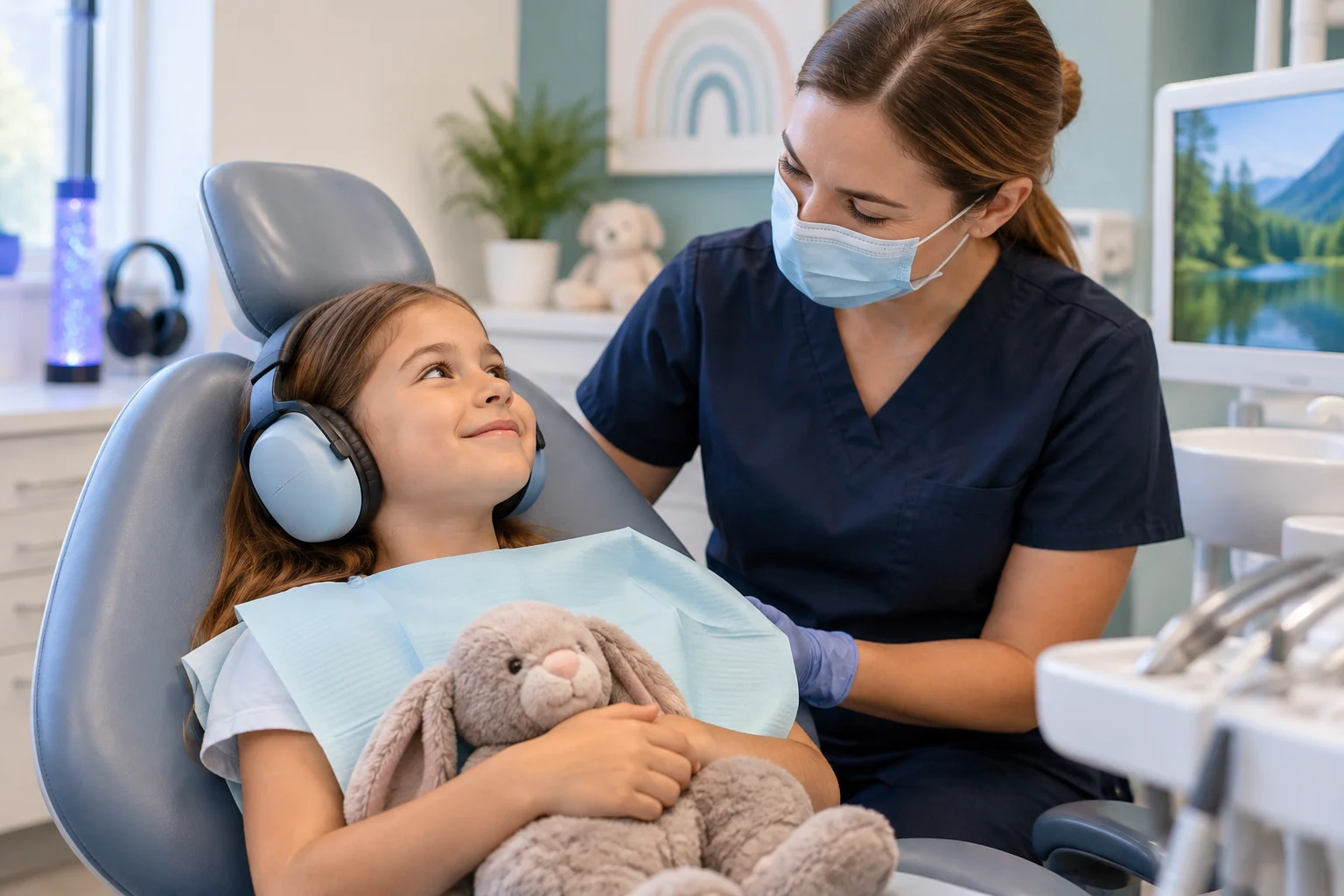
What Is a Sensory Friendly Dental Visit? A Guide for Parents
Curious what a sensory friendly dental visit involves? Learn how a sensory friendly pediatric dentist adjusts sound, light and pacing for a calmer checkup.
Dental Care Tips for Children With ADHD: A Parent Guide
Looking for dental care tips for children with ADHD? Discover practical strategies for brushing, dentist visits, and building calmer oral care routines.
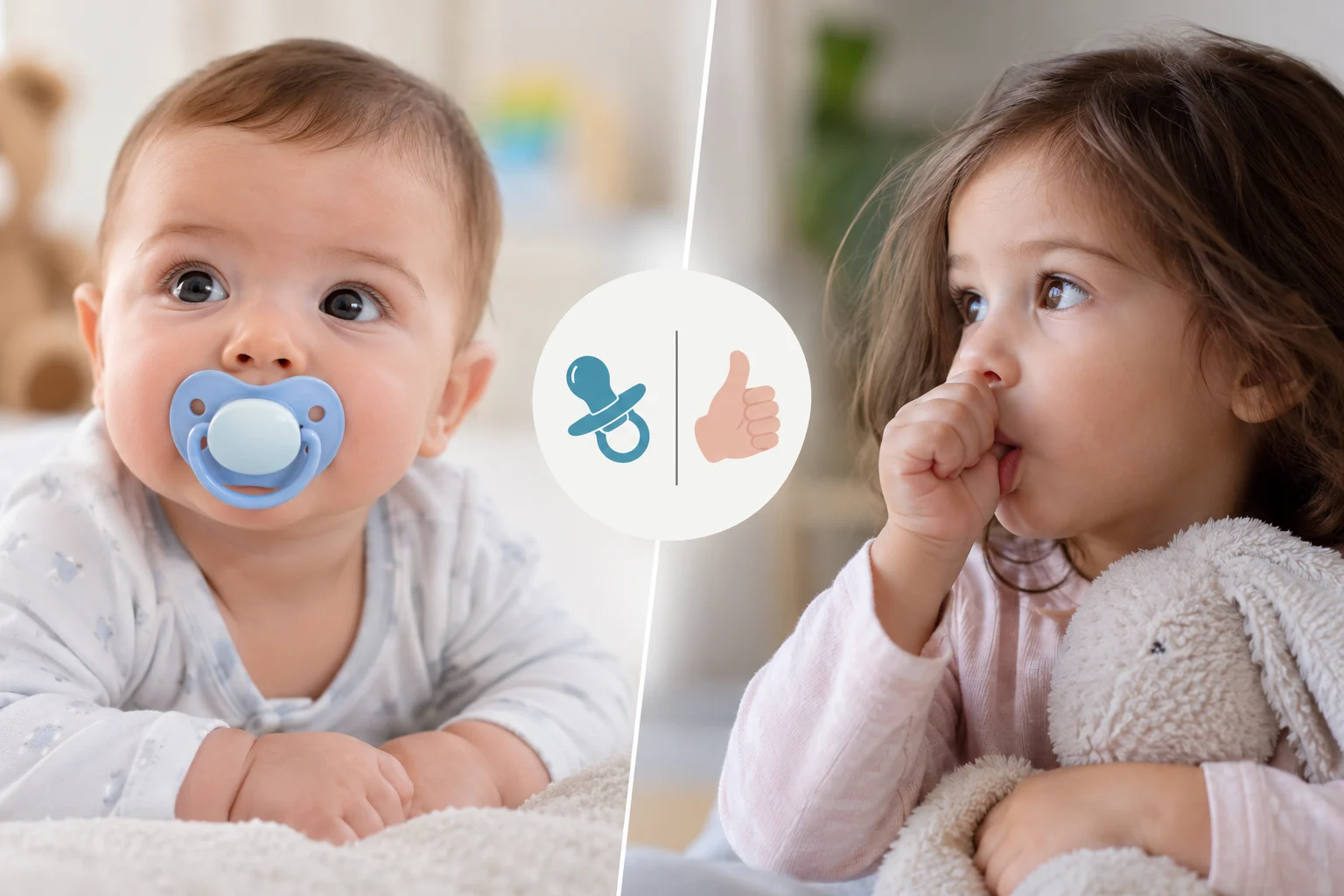
Pacifiers vs Thumb Sucking: When to Stop for Healthy Teeth
Learn when to stop pacifiers vs thumb sucking, how these habits affect teeth and jaw development, and gentle ways to help your child break the habit.