

For any child, a visit to the dental clinic introduces a lot of sensory input. The bright overhead lights, the high-pitched hum of tools, the unusual tastes of cleaning pastes, and the feeling of someone working inside their mouth can be overwhelming. For a child with special needs—whether related to autism, sensory processing differences, Down syndrome, or physical challenges—this flood of sensory information can make a routine checkup feel genuinely frightening.
At Polished Pediatric Dentistry, we believe that every single child has a right to oral healthcare that feels safe, accessible, and dignified. We do not expect your child to adapt to our clinic; instead, we adapt our environment to fit your child.
Preparing for a successful visit is a team effort. By working together and using a few practical strategies at home, we can help your child build familiarity, reduce anxiety, and enjoy a successful, tear-free appointment.
1. Start with a Low-Pressure Pre-Visit
If your child struggles with new environments or transitions, their very first visit to our practice should not involve clinical treatment.
Contact our office to arrange a simple walk-through or a meet-and-greet. Bring your child into our lobby, let them meet our front desk team, look at the treatment chairs, and perhaps say a quick hello to their pediatric dentist. This allows your child to map out the physical space, process the smells and sounds of the building, and realize that nothing painful or scary happens here.
2. Utilize Visual Schedules and Social Stories
Children with special needs often thrive when they know exactly what to expect next. Predictability is the best antidote to anxiety.
You can create a simple social story at home using photos or drawings that outline the step-by-step sequence of a dental visit. Read through this story together multiple times in the days leading up to the appointment. Use simple, concrete sentences such as:
- First, we will drive to the dentist's office.
- Next, we will sit in the waiting room and look at a book.
- Then, the dentist will ask me to open my mouth wide so they can count my teeth.
- Finally, I will get a sticker, and we will go home.
3. Practice Dental Care Through Play at Home
Turn the concept of a dental exam into a familiar, everyday game. Role-playing at home helps desensitize your child to the physical sensations of an oral screening.
- Take Turns: Have your child lie back on the couch with their head in your lap. Use a small dental mirror or a regular toothbrush to gently count their teeth out loud, shining a small flashlight to mimic our clinical lights. Then, let them swap roles and examine a favorite stuffed animal or doll.
- Practice Coordinated Movements: Work on skills like holding a wide open mouth for ten seconds at a time or practicing spit-and-rinse routines over the bathroom sink.
4. Bring Familiar Comfort Items Along
Do not hesitate to pack a bag filled with items that help your child self-regulate when they experience sensory overload. We encourage you to bring:
- Noise-Canceling Headphones: To block out the unexpected high-frequency sounds of clinical suction and scaling tools.
- Weighted Vests or Heavy Blankets: The deep pressure input can provide a profound sense of physical security while sitting back in the dental chair.
- Favorite Comfort Toys: Having a familiar fidget toy, a handheld tablet, or a stuffed animal to squeeze gives your child a safe anchor throughout the appointment.
5. Communicate Openly with Our Team Beforehand
You are the absolute expert on your child. You know their specific triggers, their communication styles, what comforts them, and how they indicate when they have reached their limit.
When you schedule the appointment, please share these details with our team. Let us know if your child prefers a quiet voice, if they are sensitive to specific textures, or if they communicate best using sign language or a picture board. Knowing these preferences ahead of time allows us to customize our pacing, dim the lights, schedule extra time so we never feel rushed, or adjust our language to keep your child entirely comfortable.
We Are Partners in Your Child's Health
At Polished Pediatric Dentistry, our compassionate team is fully trained and deeply committed to providing specialized pediatric care. We celebrate small victories. If your child only manages to sit in the chair and let us count three teeth during their first visit, that is a fantastic win. We are here to run a marathon with your family, building trust at whatever pace your child needs to feel entirely secure. Give our office a call today, and let us start planning a safe, positive dental journey for your child!
FAQs on Preparing Special Needs Children for the Dentist
What if my child has a severe meltdown or cannot complete the checkup?
Please do not worry, feel embarrassed, or apologize. We are a pediatric practice, and we see tears, anxiety, and big emotions every single day. If a child becomes too distressed, we will immediately pause, change our approach, or stop the appointment entirely. Your child’s emotional safety and trust will always be a higher priority than finishing a routine cleaning.
Do you offer sedation options for children with severe sensory sensitivities?
Yes, we do. For children who face intense anxiety, have complex medical profiles, or require extensive dental restorations that would be too stressful to complete awake, we offer safe sedation options. We can discuss these paths during a consultation to see if it is the right choice for your child’s physical and mental comfort.
Should I book my child's appointment at a specific time of day?
For most young children, early morning visits are best because they are well-rested, fed, and have more patience to cope with new situations. Avoid scheduling appointments during typical nap times or late in the afternoon when sensory fatigue tends to set in.
How can I help my child get used to the feeling of a dentist touching their face?
You can practice gentle desensitization at home during quiet moments. Gently swipe your finger along their lips, cheeks, and jawline, or lightly rub a soft electric toothbrush against their cheeks to get them accustomed to physical vibrations. Follow every successful practice session with plenty of positive reinforcement.
Is a pediatric dentist better suited for a special needs child than a general family dentist?
Yes. Pediatric dentists undergo two to three years of additional, specialized residency training beyond dental school. This advanced training focuses heavily on child psychology, growth development, and specific protocols for safely treating patients with diverse physical, behavioral, and developmental needs.

What Is a Sensory Friendly Dental Visit? A Guide for Parents
Curious what a sensory friendly dental visit involves? Learn how a sensory friendly pediatric dentist adjusts sound, light and pacing for a calmer checkup.
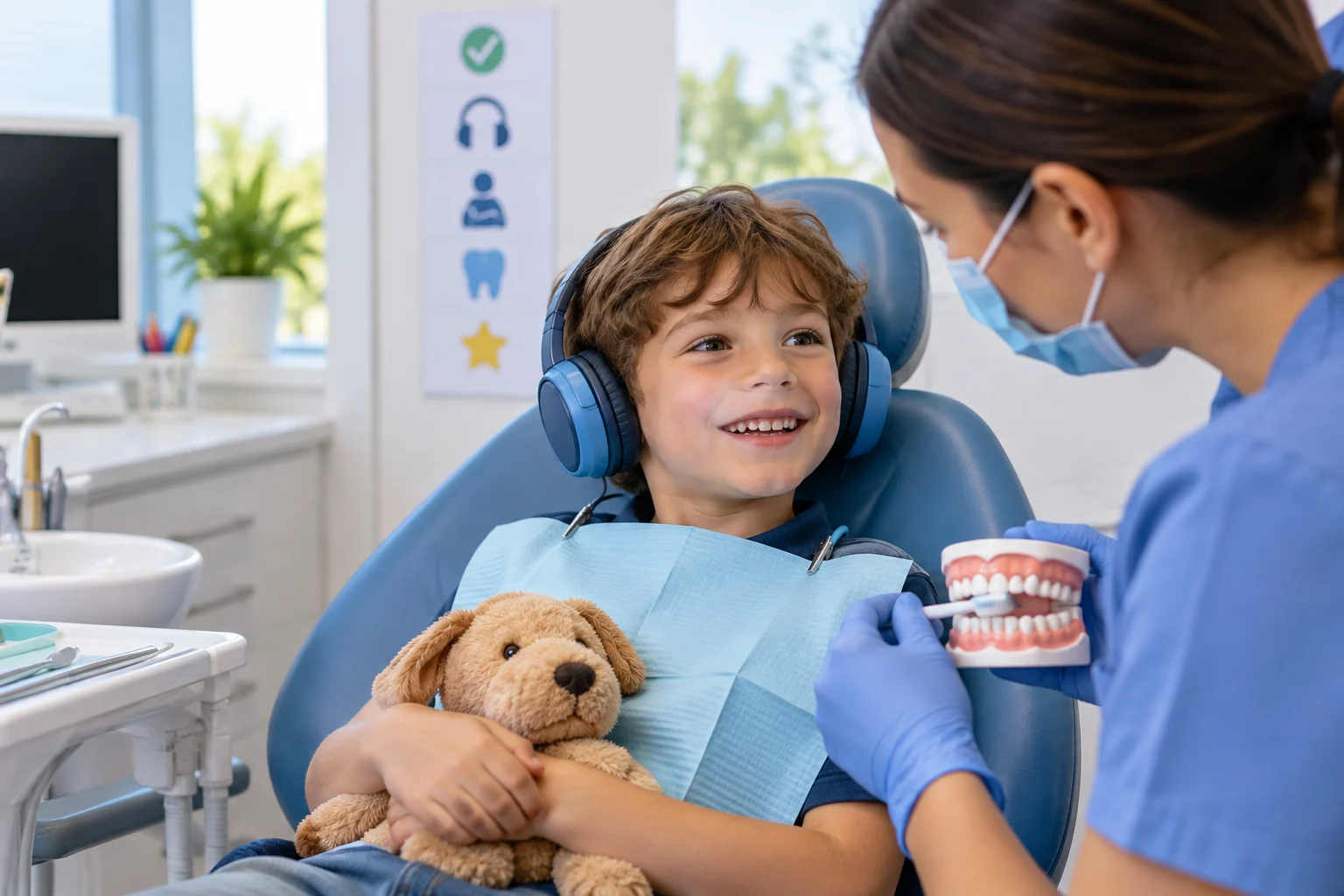
Dental Care Tips for Children With ADHD: A Parent Guide
Looking for dental care tips for children with ADHD? Discover practical strategies for brushing, dentist visits, and building calmer oral care routines.
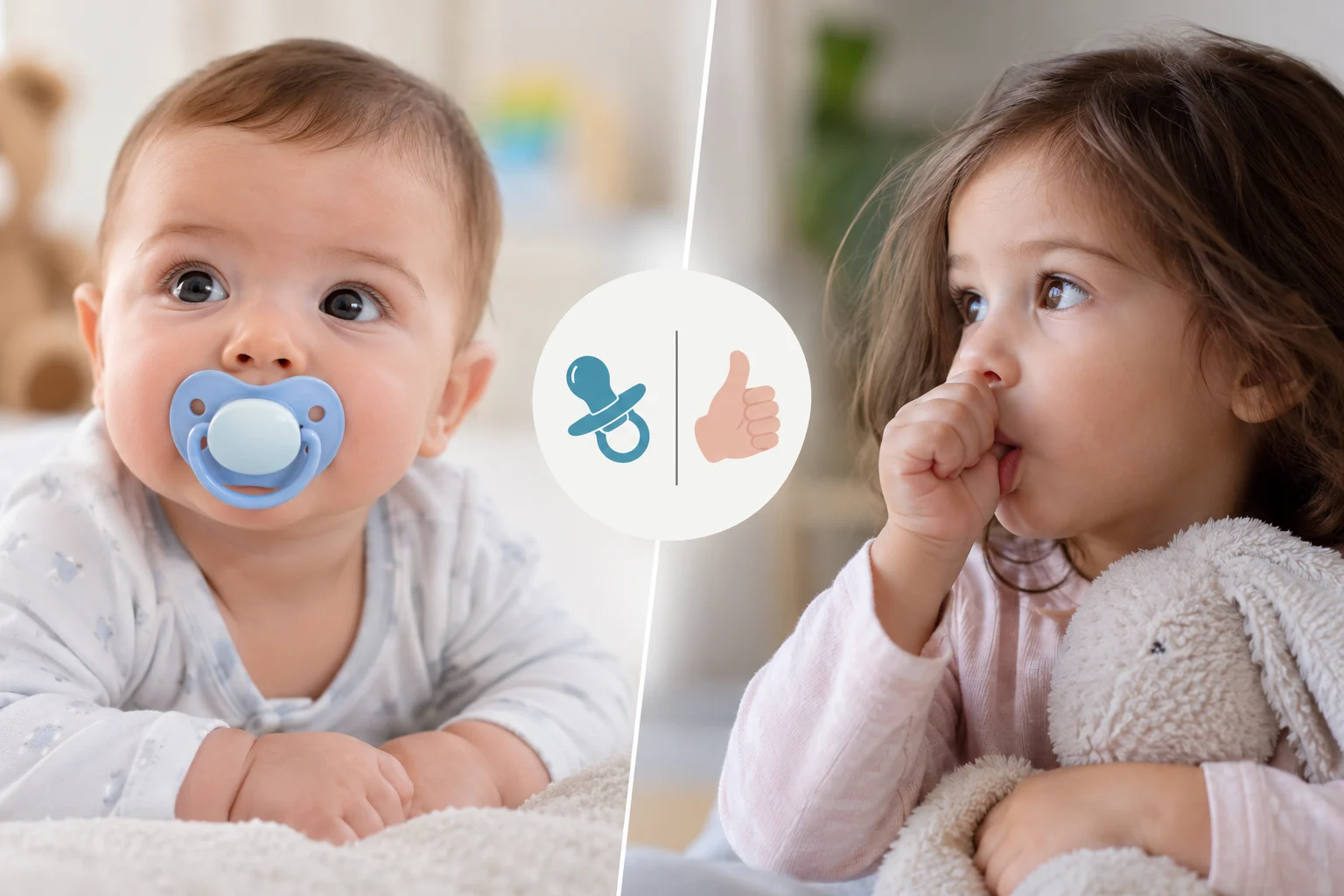
Pacifiers vs Thumb Sucking: When to Stop for Healthy Teeth
Learn when to stop pacifiers vs thumb sucking, how these habits affect teeth and jaw development, and gentle ways to help your child break the habit.