
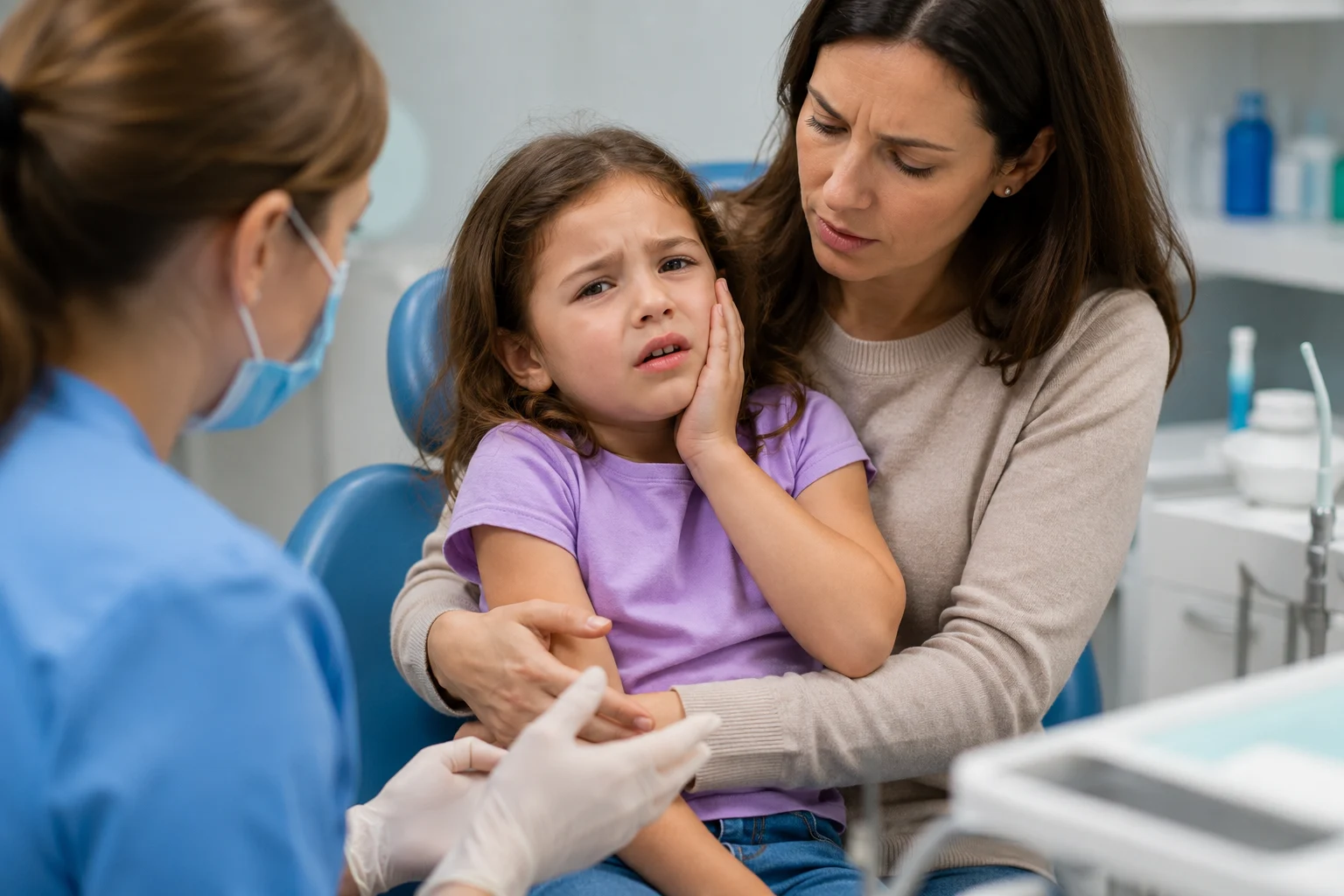
Most parents picture the same scene when they hear "dental emergency." A bike crash. Blood. Panic. Maybe an ER visit. But here's the thing: a lot of the real emergencies are quieter than that. The toothache that keeps your kid up at 2 a.m. The chipped tooth from a playground fall that everyone shrugged off. The loose tooth that just doesn't look right anymore. Truth is, a pediatric dental emergency is any situation involving pain, injury, or a sudden change in your child's mouth that needs prompt attention. It doesn't have to look like a movie scene to count.
At Polished Pediatric Dentistry, we hear from parents almost every week who weren't sure if what happened to their child "counted." So let's clear that up first. Then we'll walk through exactly what to do.
What Counts as a Pediatric Dental Emergency for Kids
A dental emergency in kids usually falls into a few buckets: trauma (a fall, a sports collision, a face-first meeting with the coffee table), sudden or severe pain, swelling in the face or gums, or a tooth that's been knocked out, loosened, or pushed out of place. Bleeding that won't stop after a few minutes of pressure counts too. So does a broken tooth with a sharp edge or a visible nerve (you might spot a pink or reddish center where the tooth broke).
Not every chip or wobble needs a same-day visit. But it's always better to call and ask than to wait and hope it sorts itself out. A quick phone call to a pediatric dentist in Marlboro, NJ can tell you whether your child needs to be seen right away or can wait for a regular appointment.
Common Situations Parents Underestimate
A tooth pushed backward or sideways after an impact might not hurt much at first. It can still affect the permanent tooth developing underneath. A "small" chip that exposes the inner layer of a tooth can turn into an infection if it's ignored. Even a toothache that comes and goes, easy to write off as nothing, can mean decay has reached the nerve. None of this calls for panic. It does call for attention sooner rather than later.
What to Do in a Dental Emergency
The first few minutes matter most. Staying calm helps your child stay calm too, and it makes it a lot easier to figure out what actually happened.
If a tooth gets knocked out, try to find it. If it's a baby tooth, don't try to put it back in. That can damage the adult tooth waiting underneath. If it's a permanent tooth, rinse it gently with water (no scrubbing, no soap, just water), and if your child is old enough to hold it in place without swallowing it, try putting it back in the socket. Can't manage that? Keep it in a small container of milk or saliva and get to a dentist within 30 to 60 minutes if you can.
If a tooth chips or fractures, save any pieces you can find. Rinse your child's mouth with warm water and apply a cold compress to bring swelling down. For a toothache, rinse with warm water first and check for food stuck between the teeth, that's the culprit more often than people expect. Skip the aspirin-on-the-gum trick. It can actually burn the tissue.
For bleeding, apply gentle, steady pressure with a clean cloth or gauze for about 10 minutes. Still bleeding after that? Time to call your dentist or head to urgent care.
What to Do in Case of a Dental Emergency Involving Swelling
Facial swelling, especially with a fever, can mean an infection that needs treatment fast. Apply a cold compress to the outside of the cheek and call your dentist the same day. Don't take a "let's wait and see" approach with swelling. Infections in kids can move quickly, and waiting rarely pays off.
What to Do in a Dental Emergency After Hours
Emergencies rarely happen during convenient office hours. Funny how that works. Kids fall off bikes on Saturdays, bite into something hard at dinner, or wake up with mouth pain at midnight. So knowing what to do in a dental emergency after hours matters just as much as knowing what to do in broad daylight.
Start by calling your pediatric dentist's office, even after hours. Many practices, Polished Pediatric Dentistry included, have a voicemail system or answering service that gives guidance or an emergency contact number. Can't reach your dentist, and the injury involves heavy bleeding, facial trauma, or a possible jaw injury? Go to the emergency room. For most dental issues, though, like a knocked-out tooth or a bad toothache, urgent dental care makes more sense than a hospital ER. Most ERs simply don't have the equipment for dental treatment.
Keep your pediatric dentist's number saved in your phone. Put together a small "dental emergency kit" at home, too: gauze, a small container, the after-hours line written down somewhere you'll actually find it. Those few minutes you save can matter more than you'd think.
How to Help Prevent Dental Emergencies
Not every accident can be prevented. That's just life with kids. But mouthguards during sports, skipping the hard candies and ice chewing, and keeping up with regular checkups lower the risk quite a bit. Regular visits also let your dentist catch small problems, like a cavity creeping toward the nerve, before they turn into a 9 p.m. phone call.
Ready to Get Started?
If your child's had a dental injury, or you're just not sure whether it needs urgent care, don't wait around for it to get worse. Our team at Polished Pediatric Dentistry can walk you through next steps, whether that means an urgent same-day visit or simply telling you it's fine to wait for a regular appointment. Families near Marlboro, NJ can reach out anytime to talk through emergency care options, or to schedule a preventive visit that helps you avoid the emergency altogether.
FAQs on Pediatric Dental Emergency
Q: What should I do first in a pediatric dental emergency?
A: Stay calm, take a look at the injury, and call your pediatric dentist right away. For a knocked-out tooth, time matters a lot, so acting fast improves the odds of saving it.
Q: What to do in case of a dental emergency if I can't reach my dentist immediately?
A: Try their after-hours line first. If it's serious, heavy bleeding or facial trauma, go straight to the ER. For dental-specific issues like a toothache or chipped tooth, urgent dental care is usually the better call than a hospital.
Q: Is a loose baby tooth from a fall considered an emergency?
A: It can be. Even if it doesn't look bad, a loose tooth after a fall should get checked to make sure the permanent tooth underneath wasn't affected.
Q: What to do in a dental emergency after hours if my child is in a lot of pain?
A: Rinse the mouth with warm water, apply a cold compress if there's swelling, and call your dentist's emergency line. Skip the aspirin-on-the-gums trick; it does more harm than good.
Q: Can a chipped tooth wait until the next business day?
A: Sometimes. It depends on how bad it is. If there's pain, sensitivity, or a visible pink or red center in the tooth, get it looked at sooner rather than later.
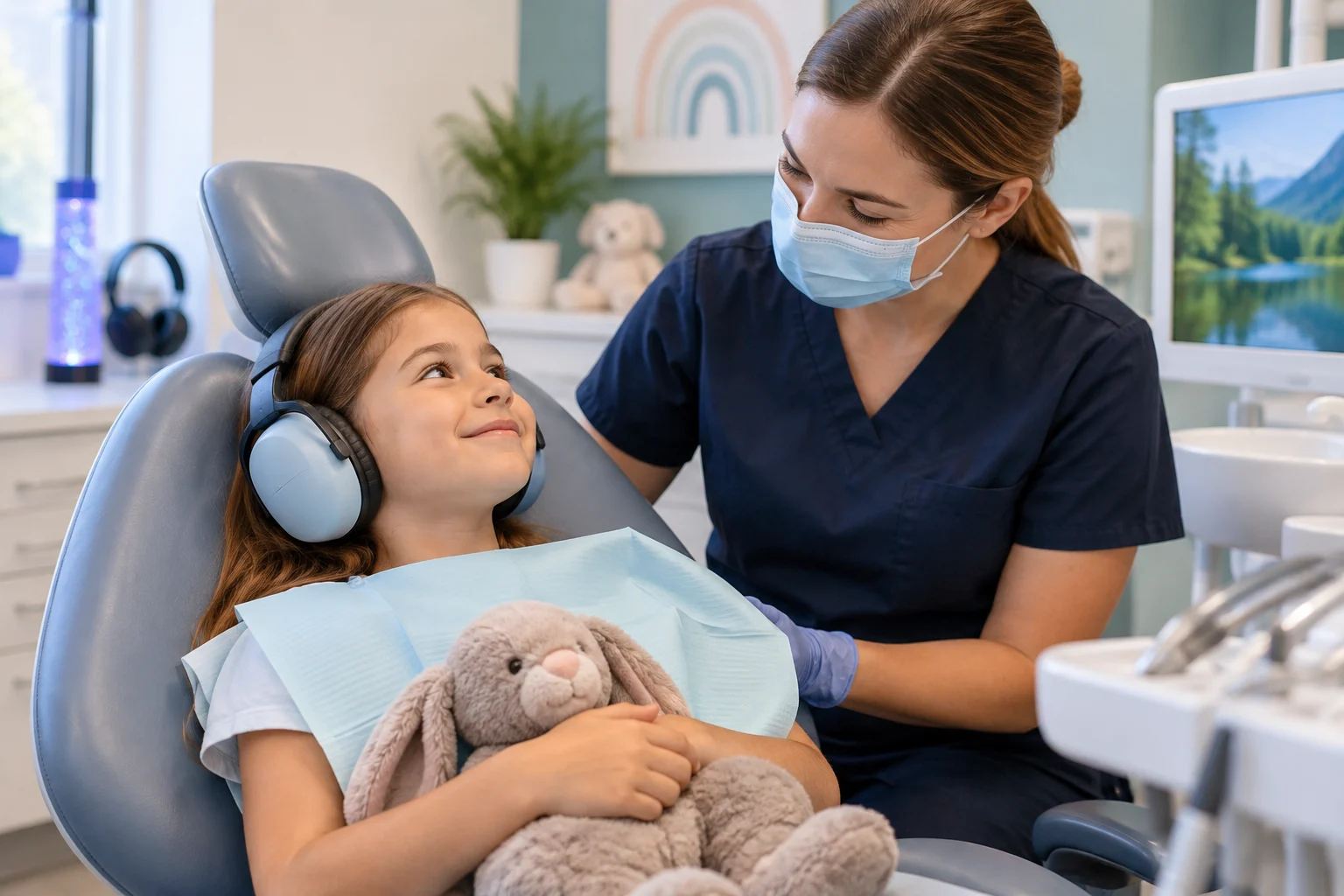
What Is a Sensory Friendly Dental Visit? A Guide for Parents
Curious what a sensory friendly dental visit involves? Learn how a sensory friendly pediatric dentist adjusts sound, light and pacing for a calmer checkup.
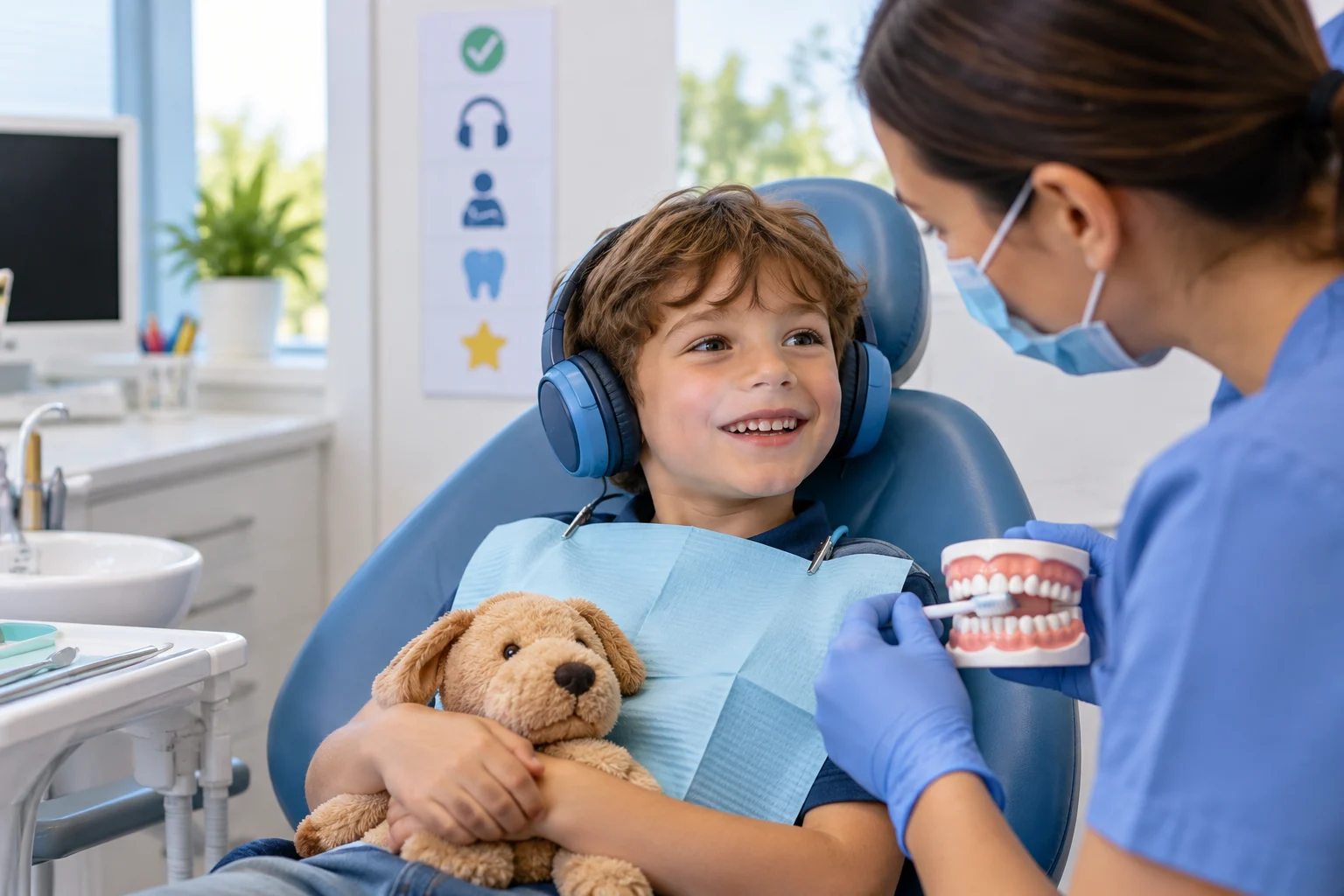
Dental Care Tips for Children With ADHD: A Parent Guide
Looking for dental care tips for children with ADHD? Discover practical strategies for brushing, dentist visits, and building calmer oral care routines.

Pacifiers vs Thumb Sucking: When to Stop for Healthy Teeth
Learn when to stop pacifiers vs thumb sucking, how these habits affect teeth and jaw development, and gentle ways to help your child break the habit.