
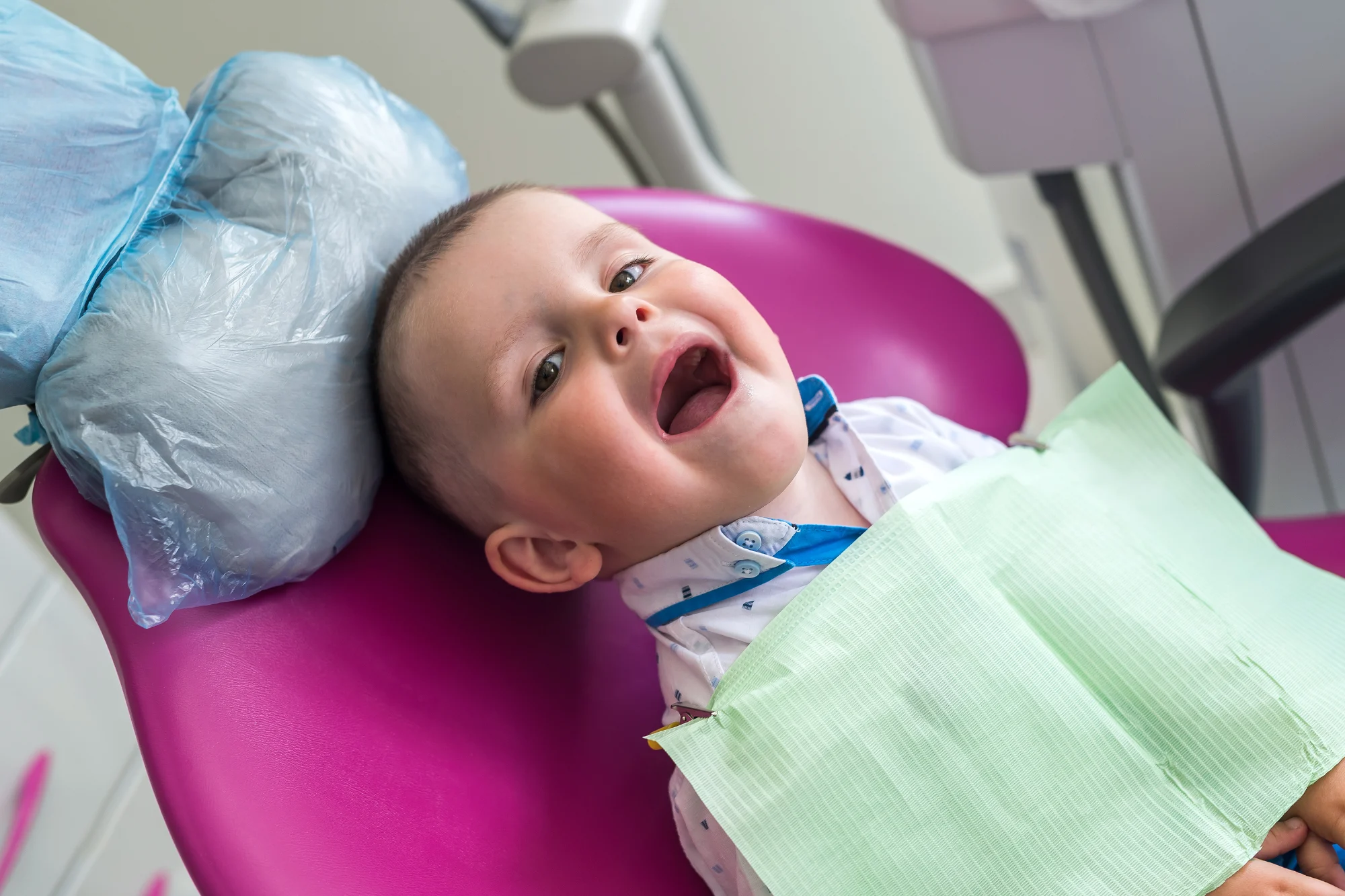
You already track every first: first smile, first step, first word. Add one more to that list: your child's first dental visit, and the twice-yearly ones that follow.
Many parents assume checkups can wait until a child has a full set of teeth. That is not quite right, so let's look at why six-month visits matter this early, and what is actually happening at each one.
When Should the First Visit Happen?
The American Academy of Pediatric Dentistry (AAPD) and the American Dental Association (ADA) recommend a first visit no later than your child's first birthday, or within six months of the first tooth erupting, whichever comes first. That is earlier than most parents expect, and earlier than a lot of general dentists will tell you. If you're unsure what to expect, this guide to your child's first dental visit explains the process in more detail.
Why Twice a Year, and Not Just Once?
An infant's mouth changes fast. New teeth come in, existing ones shift, and habits like thumb-sucking can start affecting development within months, not years. Six-month visits mean small issues get caught while they are still small, and cheap and easy to manage, rather than after they have had a year to develop. Regular appointments are a key part of preventive dentistry, helping reduce the risk of future dental problems.
What Actually Happens at These Visits
Tracking Eruption and Spacing
Your pediatric dentist monitors the sequence, timing, and position of tooth eruption to confirm everything is coming in correctly and with proper spacing. Baby teeth act as placeholders for permanent teeth, so losing one early to decay can cause the surrounding teeth to shift, leading to crowding later.
Jaw and Bite Assessment
The dentist checks jaw development, facial growth, and how the upper and lower teeth meet. Catching a crossbite, overbite, or crowding issue early can meaningfully reduce how much orthodontic treatment is needed down the line.
Habit Guidance
Thumb-sucking, pacifier use, and similar habits are common and usually not a concern in the first couple of years. But your dentist can flag if a habit is starting to affect the shape of the mouth or bite, and suggest a plan before it becomes a bigger issue.
Fluoride Varnish
If needed, the dentist applies a fluoride varnish, a quick, painless treatment that strengthens enamel and helps protect against early decay. After treatment, parents often ask about eating, here is a helpful guide on how long after a dental cleaning your child can eat.
First Visit vs. the Third or Fourth: What Changes
The first visit is mostly about familiarity, a quick look, a knee-to-knee exam with a parent holding the child, and guidance for you rather than treatment for them. By the third or fourth visit, usually somewhere between ages two and three, the dentist starts doing a more complete exam, checking all erupted teeth, and may begin light pediatric dental cleanings depending on how the visit goes. Each visit builds on the last, which is part of why consistency matters more than any single appointment.
A Note on the "2-2-2" and "3-3-3" Rules
If you have seen these terms while researching, know that there is no single agreed definition. Different offices use them to describe slightly different habits, usually some version of brushing time, frequency, and spacing between snacks. Ask your pediatric dentist which specific habits they recommend for your child rather than relying on a version you saw online.
What If We Miss a Visit?
It happens, and one missed visit is not the end of the world. Just try not to let two in a row slip by. That is roughly the point where small issues, an early cavity, a habit starting to affect the bite, stop being a five-minute conversation and start needing actual treatment. If decay does develop, early intervention with appropriate restorative dental treatments for kids can help protect your child's oral health.
Biannual checkups are not about being overly cautious. They are about catching small, easy-to-manage things before they turn into bigger ones, and building a foundation of comfort with the dentist that carries into adulthood.
If your infant has not had their first visit yet, or it has been more than six months since the last one, that is worth scheduling soon.
FAQs on Biannual Checkups
When exactly should my baby have their first dental visit?
No later than their first birthday, or within six months of the first tooth erupting. Starting early ensures proper monitoring and guidance on infant oral hygiene.
My child only has a few teeth. Do they really need to see a dentist?
Yes. The visit is just as much for the parents as it is for the child. While the dentist checks existing teeth, a large part of the appointment is guidance on cleaning, diet, and habits specific to your child's age.
What is fluoride varnish, and is it safe?
It is a topical treatment that strengthens enamel and helps prevent early decay. It has been used safely in pediatric dentistry for decades and is endorsed by the AAPD and ADA.
What happens if we skip a six-month visit?
One missed visit generally is not a serious problem. The bigger risk is letting two visits in a row slip by, since that is usually when small, easy-to-manage issues have time to grow into bigger ones.
What Is a Sensory Friendly Dental Visit? A Guide for Parents
Curious what a sensory friendly dental visit involves? Learn how a sensory friendly pediatric dentist adjusts sound, light and pacing for a calmer checkup.
Dental Care Tips for Children With ADHD: A Parent Guide
Looking for dental care tips for children with ADHD? Discover practical strategies for brushing, dentist visits, and building calmer oral care routines.

Pacifiers vs Thumb Sucking: When to Stop for Healthy Teeth
Learn when to stop pacifiers vs thumb sucking, how these habits affect teeth and jaw development, and gentle ways to help your child break the habit.